
Black Snake With Diamond Pattern On Back
Black Snake With Diamond Pattern On Back - It has a diamond pattern along its back and, as you probably could have guessed, a distinct rattle at the end of its tail. Dark vertical bars and lighter coloring are. And the largest recorded eastern diamondback measured a whopping 7.8 feet (2.4 m) and 34 pounds (15.4 kg). A black teardrop line drops from the center of each eye, while a second brownish line tapers down from the back of the eye at a 4 degree angle. Its tail is typically a different shade than its body, ranging from. There are three recognized subspecies of n. The tail ends in a rattle, which is often held above the ground. Web the diamondback water snake (nerodia rhombifer) is a species of nonvenomous colubrid native to north america. Web if you’ve ever come across a snake with geometric diamond patterns on its back, you may have wondered why these reptiles developed such striking markings over the course of evolution. Within its own range, the diamondback water snake is one of the most common species of snakes. Web do you catch a snake with a diamond pattern on its body and want to identify it? It is missouri's largest watersnake. Web did you see a black snake and want to identify it? The diamonds are outlined in black and filled with tan or yellow scales. Light reflected off of this snake's keeled scales makes its skin appear dull, rather than shiny. Within its own range, the diamondback water snake is one of the most common species of snakes. Web the eastern diamondback is a dull blackish gray, brownish gray, or olive green snake with a diamond pattern down its back and black band over its eyes bordered by two white stripes. It was first described as tropidonotus rhombifer by edward hallowell in 1852. Known for its distinct color pattern of red, yellow, and black rings. Web if you’ve ever come across a snake with geometric diamond patterns on its back, you may have wondered why these reptiles developed such striking markings over the course of evolution. Web the diamondback water snake (nerodia rhombifer) is a species of nonvenomous colubrid native to north america. Known for its distinct color pattern of red, yellow, and black rings. The snake's body is covered with blotches forming regular patterns down the back and sides. These diamonds are created by dark brown chainlike markings extending over the body on a. Web. Adult body lengths usually range from 3 to 5 feet. There are usually dark vertical bars and lighter coloring on the sides. Web the diamondback water snake (nerodia rhombifer) is a species of nonvenomous colubrid native to north america. Web nerodia rhombifer, commonly known as the diamondback water snake, is a species of nonvenomous natricine colubrid endemic to the central. A black teardrop line drops from the center of each eye, while a second brownish line tapers down from the back of the eye at a 4 degree angle. There are usually dark vertical bars and lighter coloring on the sides. And the largest recorded eastern diamondback measured a whopping 7.8 feet (2.4 m) and 34 pounds (15.4 kg). It. Known for its distinct color pattern of red, yellow, and black rings. It is missouri's largest watersnake. Web do you catch a snake with a diamond pattern on its body and want to identify it? It has a diamond pattern along its back and, as you probably could have guessed, a distinct rattle at the end of its tail. The. The snake's body is covered with blotches forming regular patterns down the back and sides. Its tail is typically a different shade than its body, ranging from. Light reflected off of this snake's keeled scales makes its skin appear dull, rather than shiny. Web diamondback water snakes ( nerodia rhombifer) are relatively large, thick bodied snakes. And the largest recorded. The ground color of the body is brownish. The snake's body is covered with blotches forming regular patterns down the back and sides. And the largest recorded eastern diamondback measured a whopping 7.8 feet (2.4 m) and 34 pounds (15.4 kg). Web identify your snake below by filtering results based on the region you saw the snake and its main. While body shapes are often generalizable for a given species, occasionally snake. The diamonds are outlined in black and filled with tan or yellow scales. Web if you’ve ever come across a snake with geometric diamond patterns on its back, you may have wondered why these reptiles developed such striking markings over the course of evolution. Web the diamondback water. Adult body lengths usually range from 3 to 5 feet. Web nerodia rhombifer, commonly known as the diamondback water snake, is a species of nonvenomous natricine colubrid endemic to the central united states and northern mexico. Their background color is usually brown, but can range from yellowish to greenish. There are usually dark vertical bars and lighter coloring on the. These diamonds are created by dark brown chainlike markings extending over the body on a. While body shapes are often generalizable for a given species, occasionally snake. Light reflected off of this snake's keeled scales makes its skin appear dull, rather than shiny. There are three recognized subspecies of n. Within its own range, the diamondback water snake is one. Here are 13 types of black snakes with pictures and an identification guide. The ground color is gray, light brown, or dull yellow. Light reflected off of this snake's keeled scales makes its skin appear dull, rather than shiny. Web nerodia rhombifer, commonly known as the diamondback water snake, is a species of nonvenomous natricine colubrid endemic to the central. Web identify your snake below by filtering results based on the region you saw the snake and its main color or pattern. Their background color is usually brown, but can range from yellowish to greenish. Web nerodia rhombifer, commonly known as the diamondback water snake, is a species of nonvenomous natricine colubrid endemic to the central united states and northern mexico. It was first described as tropidonotus rhombifer by edward hallowell in 1852. There are three recognized subspecies of n. The diamonds are outlined in black and filled with tan or yellow scales. Web diamondback water snakes ( nerodia rhombifer) are relatively large, thick bodied snakes. Web if you’ve ever come across a snake with geometric diamond patterns on its back, you may have wondered why these reptiles developed such striking markings over the course of evolution. Web eastern coral snake (micrurus fulvius). Known for its distinct color pattern of red, yellow, and black rings. It is missouri's largest watersnake. Its tail is typically a different shade than its body, ranging from. The tail ends in a rattle, which is often held above the ground. Here are 13 types of black snakes with pictures and an identification guide. Web the eastern diamondback is a dull blackish gray, brownish gray, or olive green snake with a diamond pattern down its back and black band over its eyes bordered by two white stripes. The ground color is gray, light brown, or dull yellow.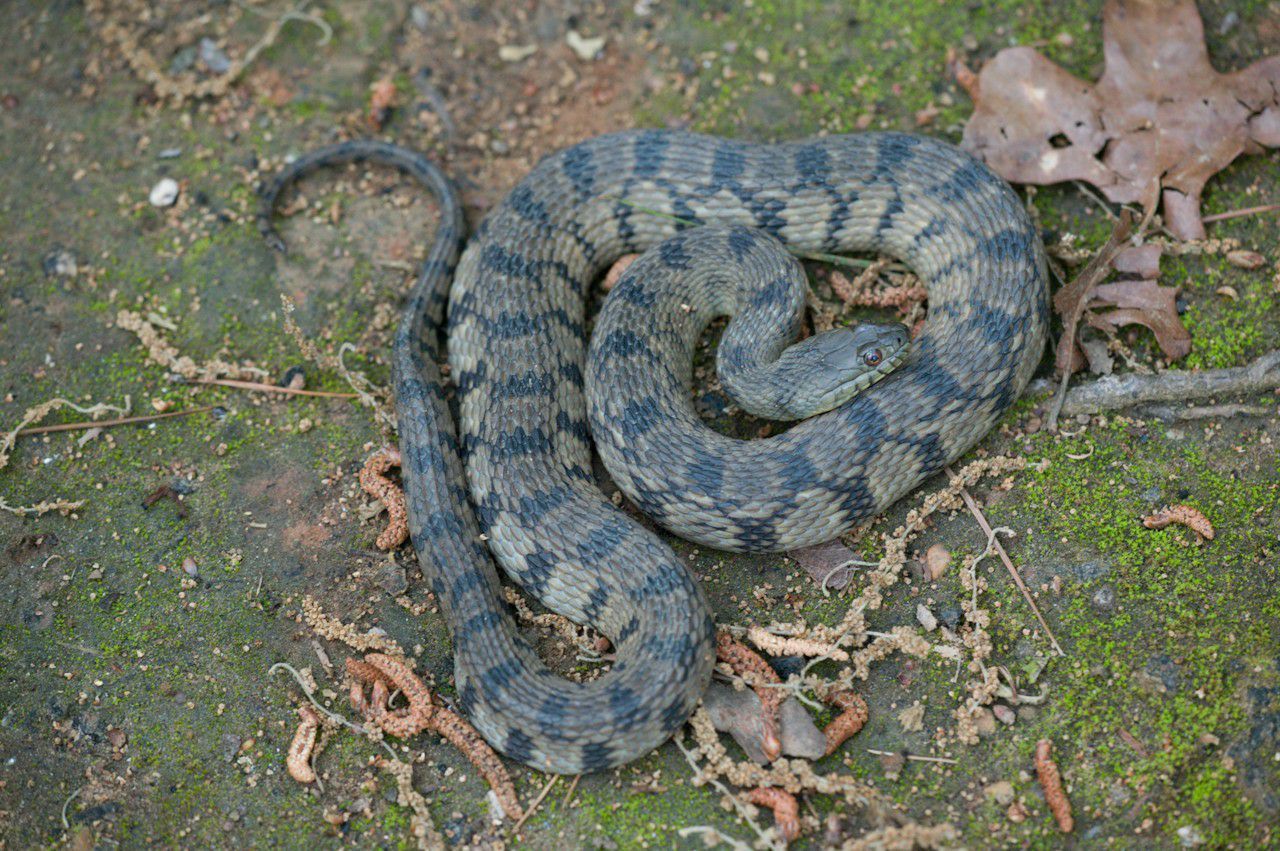
Diamondbacked Watersnake Florida Snake ID Guide
12 Snakes With Diamond Pattern (Pictures and Identification)

Diamondbacked Watersnake Nerodia rhombifer Brad Glorioso’s

Black Diamond Water Snake

Eastern Diamondbacked Rattlesnake South Carolina Partners in
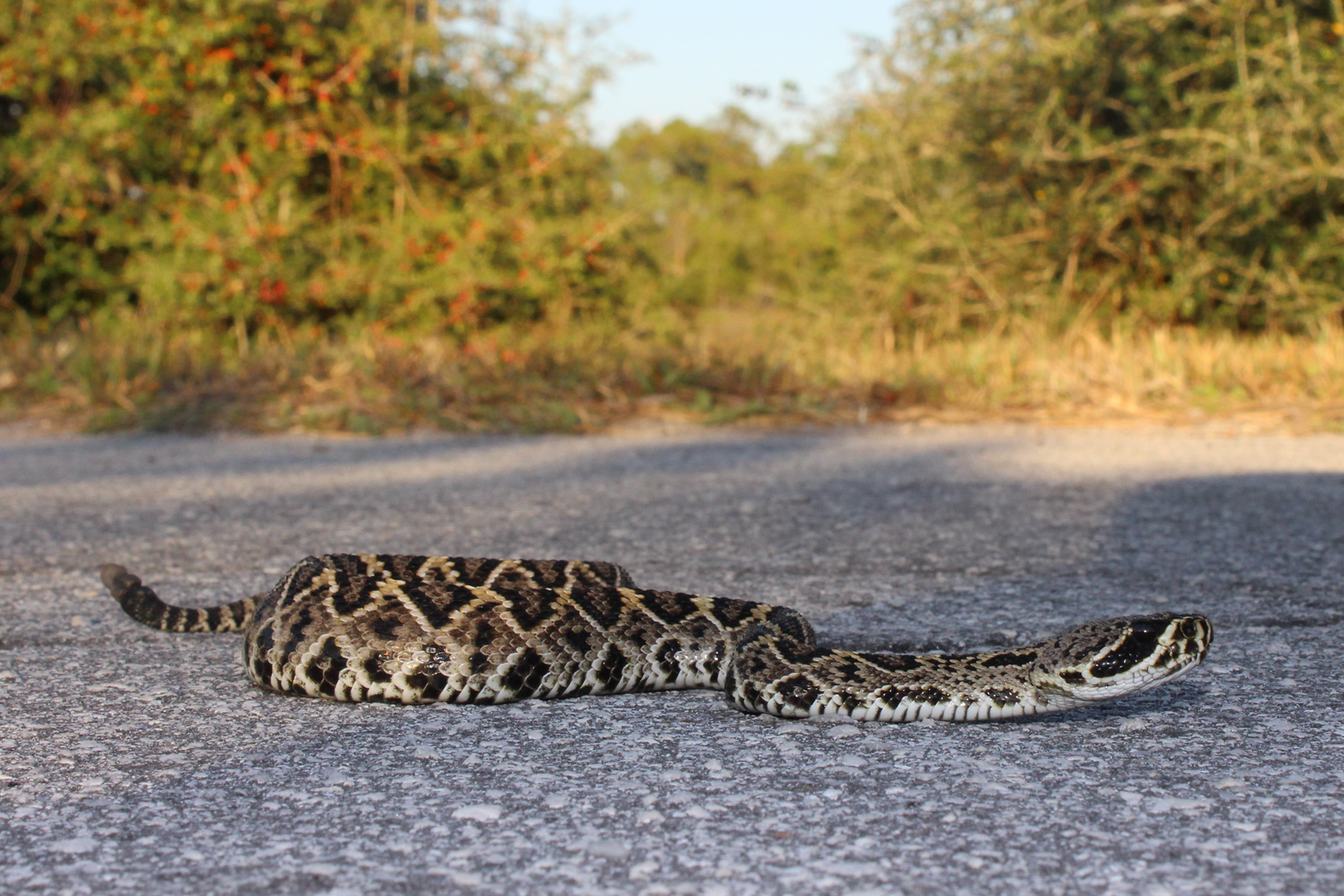
Eastern Diamondbacked Rattlesnake Florida Snake ID Guide

What Type of Snake Is Black With a White Diamond Outline on Its Back
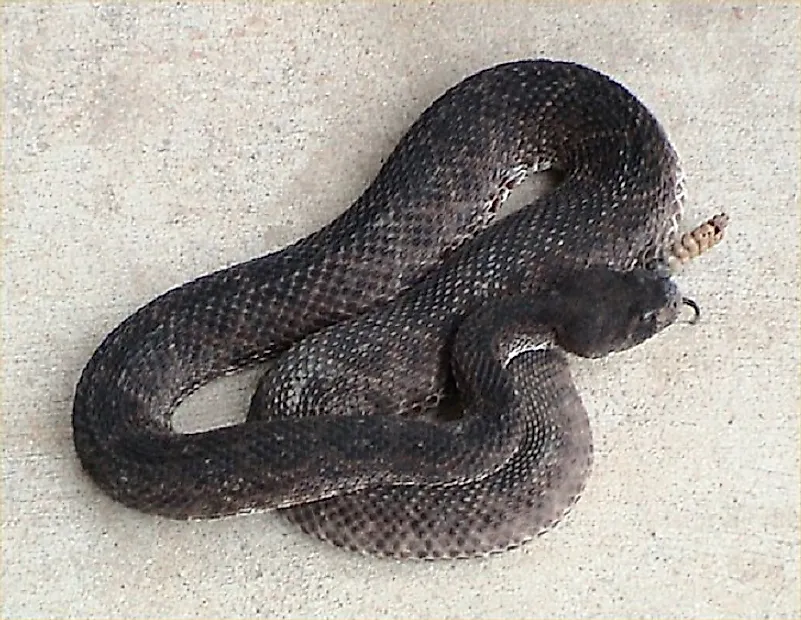
Killer Snakes Of North America WorldAtlas
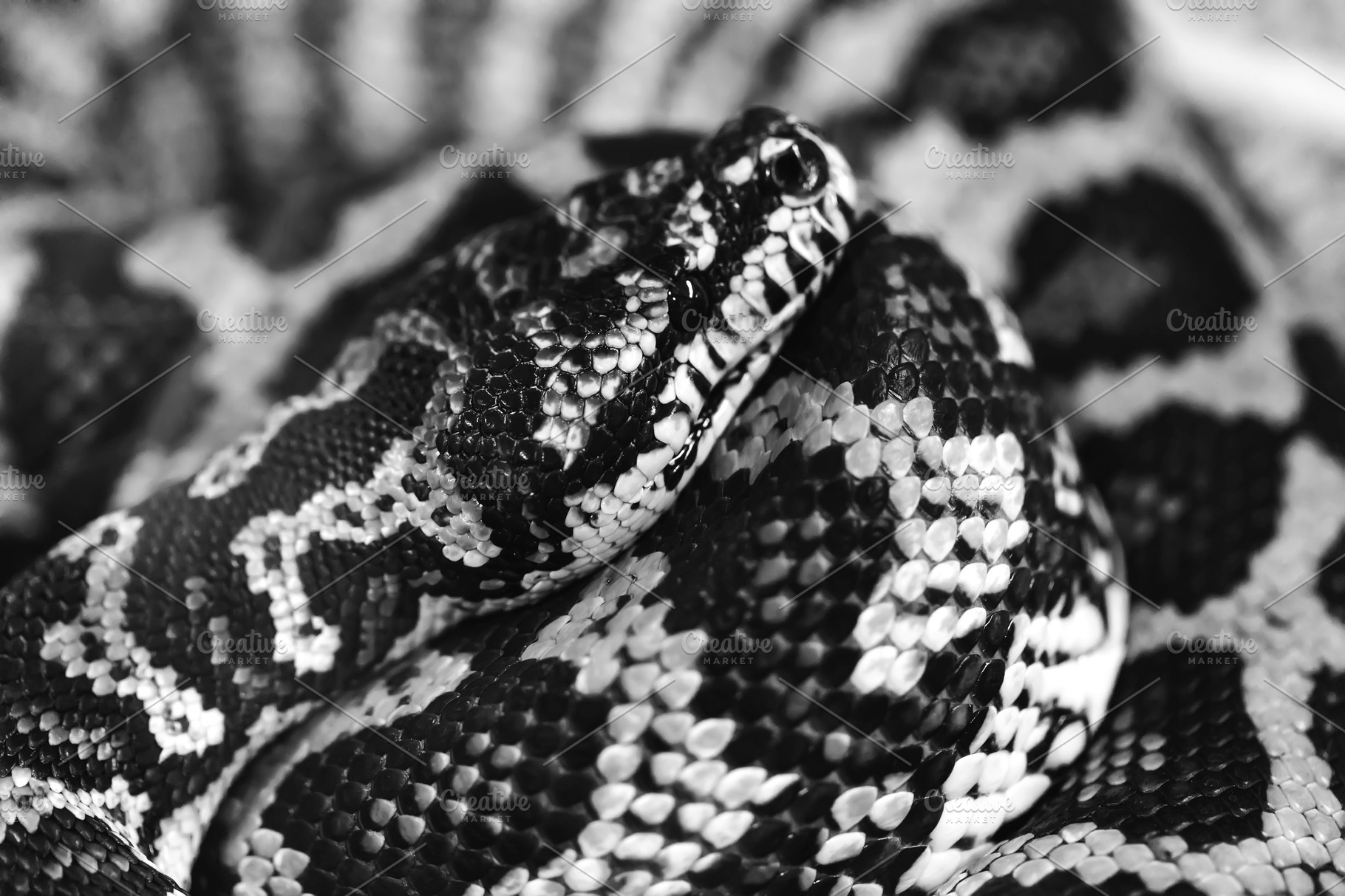
Snake diamond python in b&w key HighQuality Animal Stock Photos
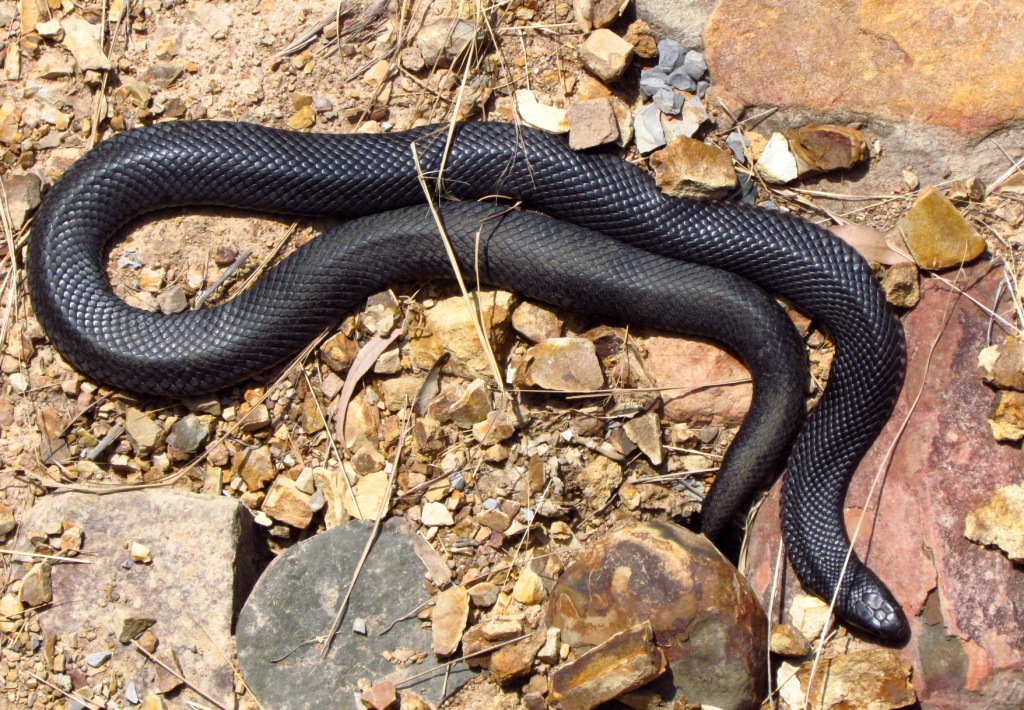
Black Diamond Ring Snake With Black Diamonds On Its Back
Web Did You See A Black Snake And Want To Identify It?
Adult Body Lengths Usually Range From 3 To 5 Feet.
Web The Diamondback Water Snake (Nerodia Rhombifer) Is A Species Of Nonvenomous Colubrid Native To North America.
The Snake's Body Is Covered With Blotches Forming Regular Patterns Down The Back And Sides.
Related Post: