
Feather Pattern Damascus
Feather Pattern Damascus - This is the most beautiful feather pattern i have made. I already have thoughts on how to make a larger bil. Web the feathered damascus pattern: I also wanted to point out that my hot cut was tooooo sharp. I think once i forge this back into a billet or knife, it will stretch the feather and look much better. Adding the river of fire makes the whole thing even more attractive. The sheath has belt inserting loop and can be worn on belt. From setting up your steel to drawing out the final billet, each step is provided in detail. This knife is made by stacking many layers of metal together and then using a wedge to cut through the pile, splitting the wire in half lengthways. 35k views 1 year ago #knifemaker #bladesmith #kyleroyer. Web thin pieces of 1095 and 15n20 are pattern welded by hand to make feather damascus! Web hear me out…feather damascus sword… all seriousness, this looks great! Web making feather pattern damascus! Web the feather damascus knife is a beautiful knife that features a feather damascus pattern. Evoking the robustness of a steel cable, this pattern is all about raw power and resilience. It's very light, thin, thin behind the edge with slightly convex symmetrical bevels for better food release and less friction. Web i am making a w feather pattern damascus frame handle fighter with 5,000 layers. Feathering is created by welding several pieces of steel together creating a single billet, making sure to weld the edges to form the important “w” in the steel layers. Web approximately 5 mm thick twisted pattern damascus steel blade up to standard skinning knife comes with a fine quality extra thick and robust leather sheath. One of the most distinctive and intricate patterns of damascus steel is the feathered pattern. It's very light, thin, thin behind the edge with slightly convex symmetrical bevels for better food release and less friction. Web how to make basket weaves, spider webs and radial w’s. This is the most beautiful feather pattern i have made. Smiths achieve this effect by welding together different pieces of damascus steel and then stretching them. I also wanted. This pattern is created by welding multiple steel billets together to form a single one. Web making feather pattern damascus! This pattern draws inspiration from the soft plumes of a bird, creating a design that's both delicate and bold. It didn't pull/stretch the pattern enough. Web the feathered damascus pattern: Evoking the robustness of a steel cable, this pattern is all about raw power and resilience. Web a quick dip in some ferric shows that i got a pretty cool pattern. One of the most distinctive and intricate patterns of damascus steel is the feathered pattern. Web thin pieces of 1095 and 15n20 are pattern welded by hand to make. Web how to make basket weaves, spider webs and radial w’s. It didn't pull/stretch the pattern enough. Web the feather damascus knife is a beautiful knife with a feather damascus pattern. I'm pretty happy so far. Web feather pattern damascus chef knife! Web feather pattern damascus chef knife! The rose pattern is characterized by flowing, curving. This knife is made by stacking many layers of metal together and then using a wedge to cut through the pile, splitting the wire in half lengthways. This pattern is created by welding multiple steel billets together to form a single one. Evoking the robustness of. I'm pretty happy so far. Around ten steel billets with two or more different types of steel are heated, hammered, and cooled continuously to form a single block. Web hear me out…feather damascus sword… all seriousness, this looks great! I also wanted to point out that my hot cut was tooooo sharp. O2, k600, nc6, after few. 35k views 1 year ago #knifemaker #bladesmith #kyleroyer. Web the feathered damascus pattern: Web the feather damascus knife is a beautiful knife with a feather damascus pattern. From setting up your steel to drawing out the final billet, each step is provided in detail. I also wanted to point out that my hot cut was tooooo sharp. If you plan to start making damascus steel, the initial investment behind. The feather pattern resembles the delicate and intricate patterns found on feathers. This is the most beautiful feather pattern i have made. These patterns are often used in the production of knives, swords, and other metal objects. Web i am making a w feather pattern damascus frame handle. It's very light, thin, thin behind the edge with slightly convex symmetrical bevels for better food release and less friction. Evoking the robustness of a steel cable, this pattern is all about raw power and resilience. I already have thoughts on how to make a larger bil. Web also known as the “w” design, the feather damascus steel is perhaps. Web feather pattern damascus chef knife! Web how do you make feather damascus and at what layers count does it look the best? I already have thoughts on how to make a larger bil. Web i am making a w feather pattern damascus frame handle fighter with 5,000 layers. Web a quick dip in some ferric shows that i got. Around ten steel billets with two or more different types of steel are heated, hammered, and cooled continuously to form a single block. The feather pattern resembles the delicate and intricate patterns found on feathers. Adding the river of fire makes the whole thing even more attractive. Evoking the robustness of a steel cable, this pattern is all about raw power and resilience. Web how do you make feather damascus and at what layers count does it look the best? This knife is made by stacking many layers of metal together and then slicing through the stack with a wedge, splitting the bar lengthwise in half. These patterns are often used in the production of knives, swords, and other metal objects. My favorite part of this knife build was making the tapered tang as thin as i could on the. This pattern is created by welding multiple steel billets together to form a single one. Web making feather pattern damascus! From setting up your steel to drawing out the final billet, each step is provided in detail. 35k views 1 year ago #knifemaker #bladesmith #kyleroyer. Smiths achieve this effect by welding together different pieces of damascus steel and then stretching them. About ten to fifteen small steel blocks are continuously hammered or pressed and cooled. Web the feathered damascus pattern: Feathering is created by welding several pieces of steel together creating a single billet, making sure to weld the edges to form the important “w” in the steel layers.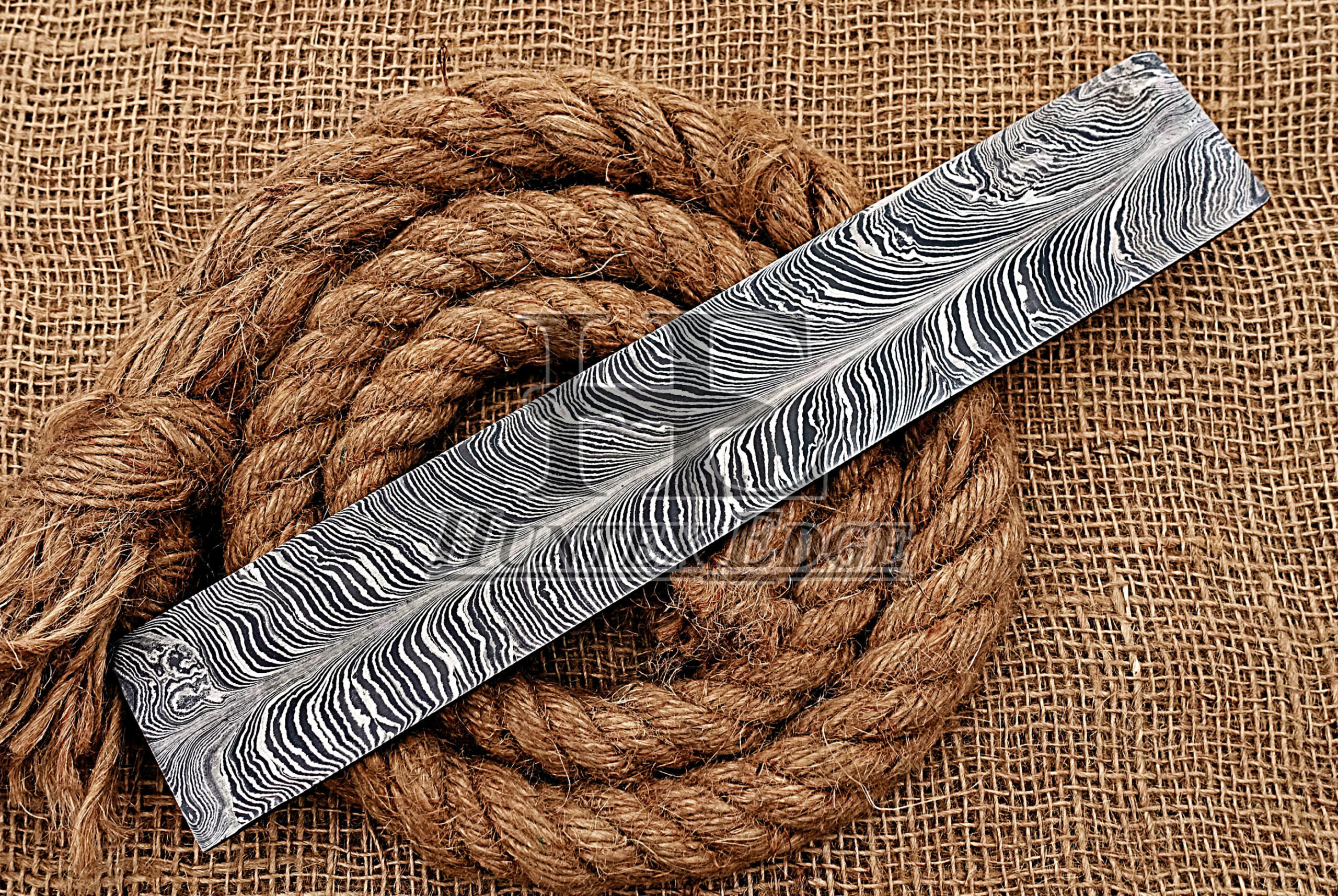
HUNTEX Brand New Custom Feather Pattern Damascus
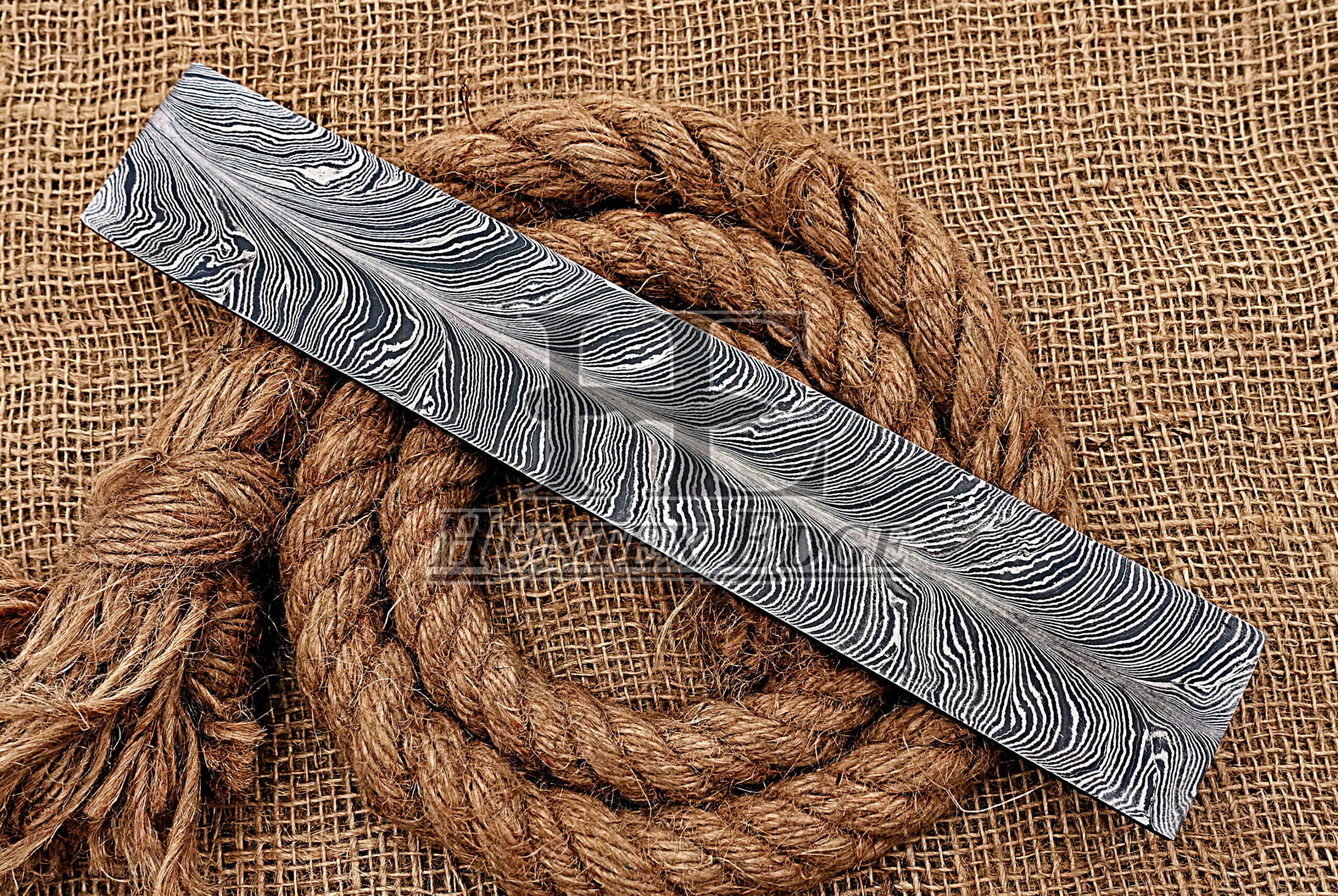
HUNTEX Brand New Custom Feather Pattern Damascus
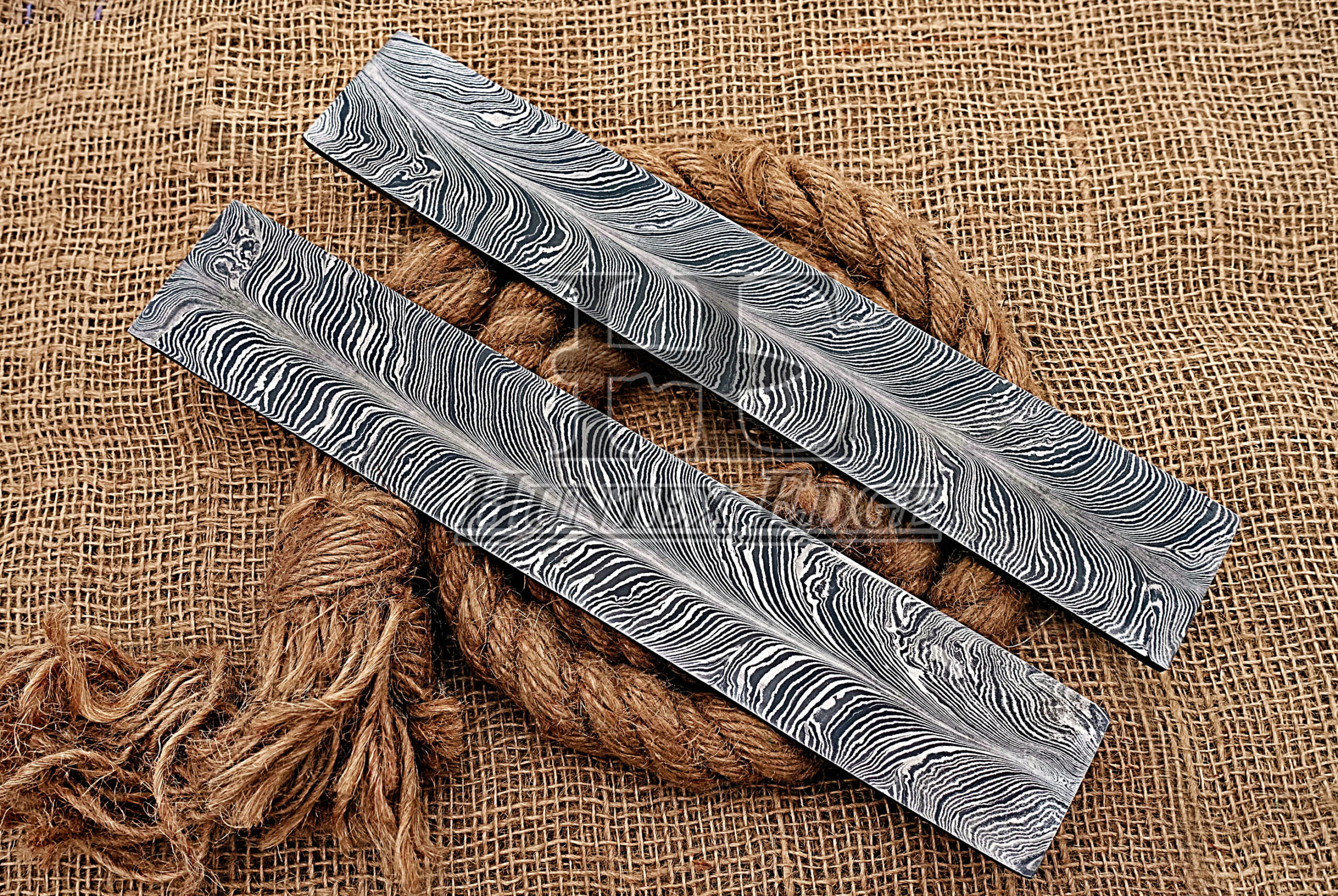
HUNTEX Brand New Custom Feather Pattern Damascus
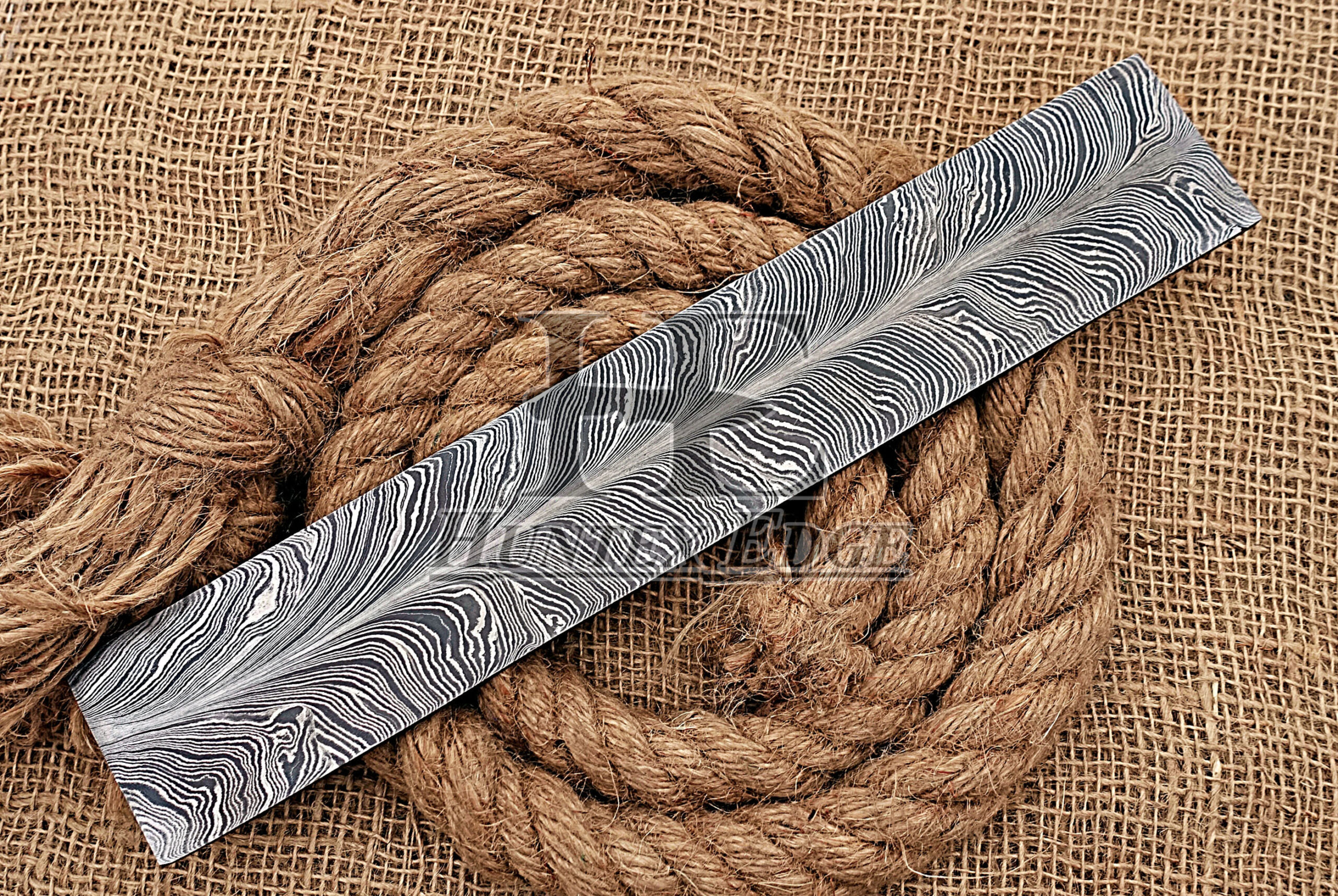
HUNTEX Brand New Custom Feather Pattern Damascus
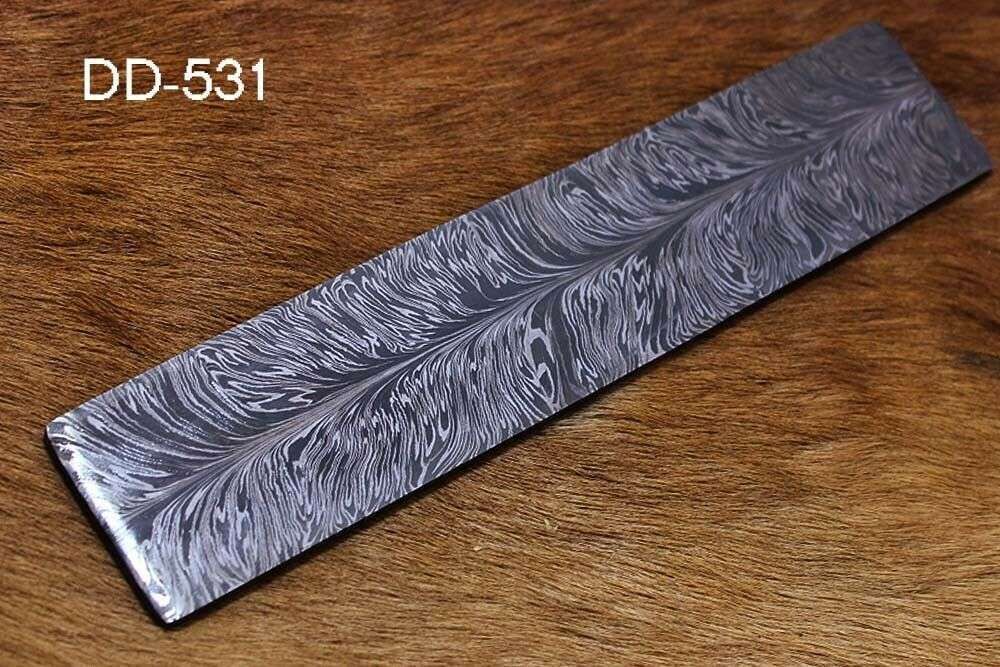
10″ long custom made feather pattern hand Damascus steel bar

10" long custom made feather pattern hand Damascus steel bar

Hand Feather Pattern Damascus Steel YouTube

Feather Pattern Damascus Steel Billet 12"x2"x5mm 8706 Pal2000Knives

Damascus Billet Feather Pattern For Knife Making

Feather Pattern Damascus Steel Billet 12"x2"x5mm 8706 Pal2000Knives
Web The Feather Damascus Knife Is A Beautiful Knife With A Feather Damascus Pattern.
It Consists Of Thin, Wavy Lines That Create A Feathery Appearance.
How Did You Learn How To Do The Feather Pattern?
Web The Feather Damascus Knife Is A Beautiful Knife That Features A Feather Damascus Pattern.
Related Post: