
Fetal Heart Rate Patterns
Fetal Heart Rate Patterns - A review was made of the available literature on the sinusoidal heart rate (shr) pattern. By monitoring your baby’s heart rate, your provider can tell if the heart rate is too high or low or changing too much. To read, please download here. Web sinusoidal fetal heart rate pattern: Web 3 steps for distinguishing heart rate patterns. Web changes or trends of fhr patterns over time. Web the average fetal heart rate is between 110 and 160 beats per minute, and can vary five to 25 beats per minute. Web the main method is monitoring fetal heart rate patterns, usually in relation to uterine contractions. Web nonreassuring fhr patterns are common and quite nonspecific. By understanding the physiologic and pathophysiologic basis of fhr monitoring, as well as its capabilities and limitations, the clinician can reduce the need for interventions. Frequency and intensity of uterine contraction. Identify changes or trends in fhr patterns over time Web your pregnancy care provider diagnoses fetal distress by reading the fetal heart rate. Web 3 steps for distinguishing heart rate patterns. Web goals of intrapartum fetal monitoring include rapid identification and intervention for suspected fetal acidosis as well as reassurance and avoidance of unnecessary interventions in cases of. Web they provide details of fetal heart rate classification systems used in studies included for the review question about interpretation of cardiotocograph traces. An abnormal fetal heart rate or pattern may indicate that the fetus is not getting enough oxygen or that there are other problems. Very early in pregnancy, it is typically around 110 bpm. Web the main method is monitoring fetal heart rate patterns, usually in relation to uterine contractions. Web in monitoring the fetal status, clinicians should pay attention to the baseline fetal heart rate (fhr), variability, accelerations, and decelerations. Determine the presence of accelerations or decelerations from baseline. To read, please download here. Fetal heart rate can provide lots of information about your baby’s health. Web identify the baseline fetal heart rate and presence of variability. Now, fetal monitoring can be external or internal. This paper is only available as a pdf. Fetal heart rate may speed up to 140 to 170 bpm around the ninth week and slow to around 110 to 160 bpm thereafter. Very early in pregnancy, it is typically around 110 bpm. A specific definition of shr was made in order to elucidate its clinical significance. The average fetal heart. Web they provide details of fetal heart rate classification systems used in studies included for the review question about interpretation of cardiotocograph traces. Web your healthcare provider may do fetal heart monitoring during late pregnancy and labor. By monitoring your baby’s heart rate, your provider can tell if the heart rate is too high or low or changing too much.. Baseline fhr and variability are influenced by changes in cns activity, volume status, baroreceptor stimulation, and chemoreceptor stimulation. Web identify the baseline fetal heart rate and presence of variability. By monitoring your baby’s heart rate, your provider can tell if the heart rate is too high or low or changing too much. Frequency and intensity of uterine contraction. Web intrapartum. Web the pattern of the fetal heart rate is monitored during labor, as one way to detect if the fetus is in distress. Web pathophysiological interpretation of fetal heart rate tracing is based on the application of the knowledge of fetal responses to intrapartum mechanical and/or hypoxic stress in clinical practice. Web to improve the timely detection of fetal hypoxia. Fetal heart rate can provide lots of information about your baby’s health. Frequency and intensity of uterine contraction. Determine the presence of accelerations or decelerations from baseline. Very early in pregnancy, it is typically around 110 bpm. Web your pregnancy care provider diagnoses fetal distress by reading the fetal heart rate. This paper is only available as a pdf. Web the average fetal heart rate is between 110 and 160 beats per minute, and can vary five to 25 beats per minute. Web changes or trends of fhr patterns over time. Now, fetal monitoring can be external or internal. Web your pregnancy care provider diagnoses fetal distress by reading the fetal. Web nonreassuring fhr patterns are common and quite nonspecific. Fetal heart rate may speed up to 140 to 170 bpm around the ninth week and slow to around 110 to 160 bpm thereafter. Web the average heart rate of an unborn baby is 110 to 160 beats per minute. Web the average fetal heart rate is between 110 and 160. Web in this video, meris covers the normal and abnormal fetal heart rate patterns, including causes and nursing interventions to take for each. Web a normal heart rate for a fetus can range from 110 to 160 beats per minute (bpm). Frequency and intensity of uterine contraction. Web to improve the timely detection of fetal hypoxia and/or acidemia during labor,. Web in this video, meris covers the normal and abnormal fetal heart rate patterns, including causes and nursing interventions to take for each. Web a normal fetal heart rate (fhr) usually ranges from 120 to 160 beats per minute (bpm) in the in utero period. Web in monitoring the fetal status, clinicians should pay attention to the baseline fetal heart. Very early in pregnancy, it is typically around 110 bpm. Fetal heart rate may speed up to 140 to 170 bpm around the ninth week and slow to around 110 to 160 bpm thereafter. The fetal heart rate may change as the fetus responds to conditions in the uterus. The average fetal heart rate is between 110 and 160 beats per minute. Web the average fetal heart rate is between 110 and 160 beats per minute, and can vary five to 25 beats per minute. Frequency and intensity of uterine contraction. Web nonreassuring fhr patterns are common and quite nonspecific. It is measurable sonographically from around 6 weeks and the normal range varies during gestation, increasing to around 170 bpm at 10 weeks and decreasing from then to around 130 bpm at term. Web to improve the timely detection of fetal hypoxia and/or acidemia during labor, we recently described the evolution of the fetal heart rate (fhr) patterns of the deteriorating fetus and the “significant” category ii patterns and proposed specific timings of our interventions to avoid fetal acidemia., of course, the timing and progression of fetal. Web the pattern of the fetal heart rate is monitored during labor, as one way to detect if the fetus is in distress. Determine the presence of accelerations or decelerations from baseline. Web in this video, meris covers the normal and abnormal fetal heart rate patterns, including causes and nursing interventions to take for each. Web goals of intrapartum fetal monitoring include rapid identification and intervention for suspected fetal acidosis as well as reassurance and avoidance of unnecessary interventions in cases of. A review was made of the available literature on the sinusoidal heart rate (shr) pattern. At the end of the video, meris provides a quiz to help you test your knowledge of. Web in monitoring the fetal status, clinicians should pay attention to the baseline fetal heart rate (fhr), variability, accelerations, and decelerations.
fetal heart rate monitor interpretation Newborn nursing, Nursing

OB Fetal Heart Tone Monitoring DecelerationsLearn how to view, detect

Fetal Heart Rate Patterns
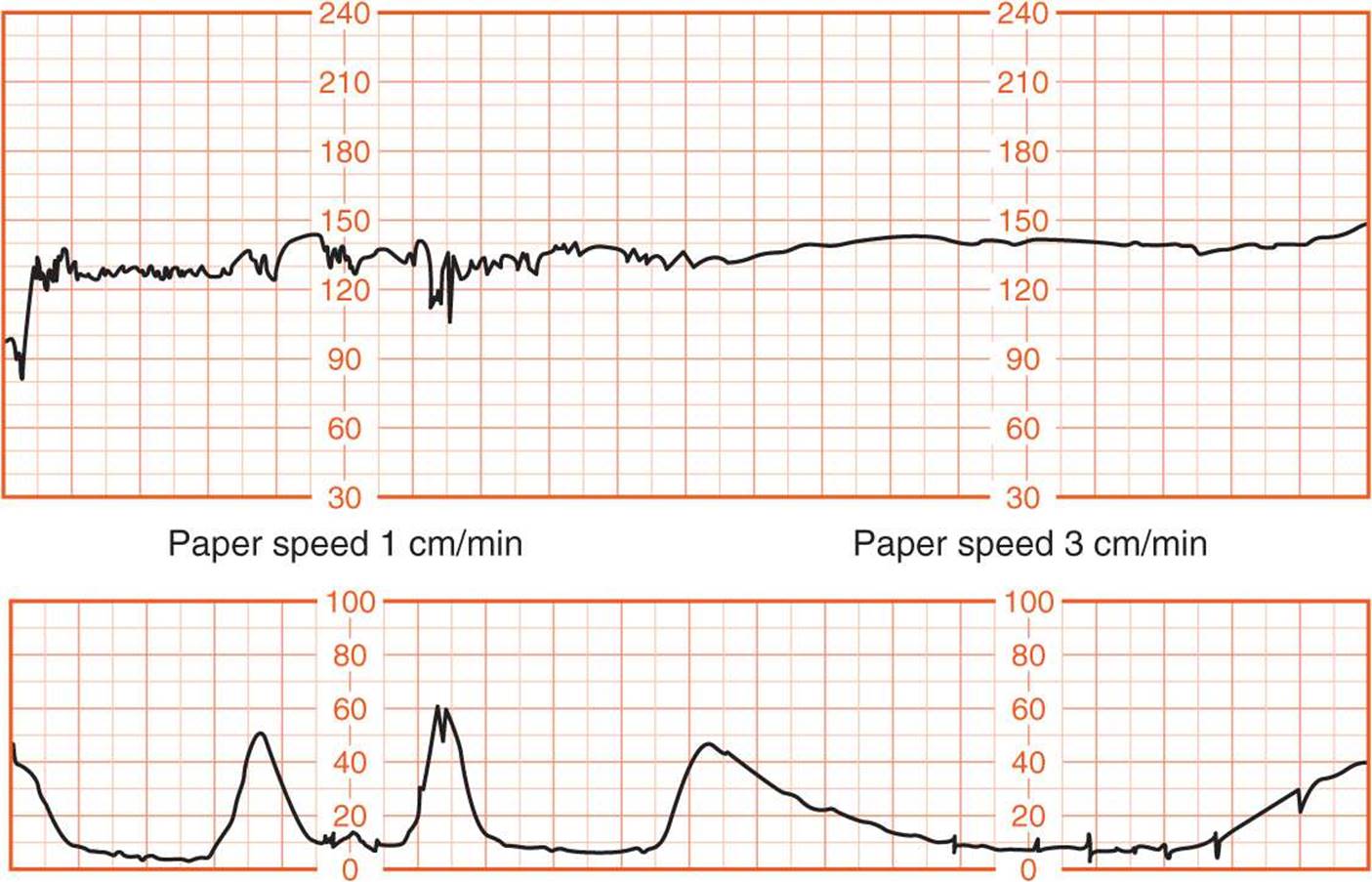
Fetal heart rate patterns

Fetal heart rate patterns

Sawtooth fetal heart rate pattern due to in utero fetal central nervous

Normal Fetal Heart Rate Chart

fetal monitor patterns showing normal, tachycardia, early deceleration
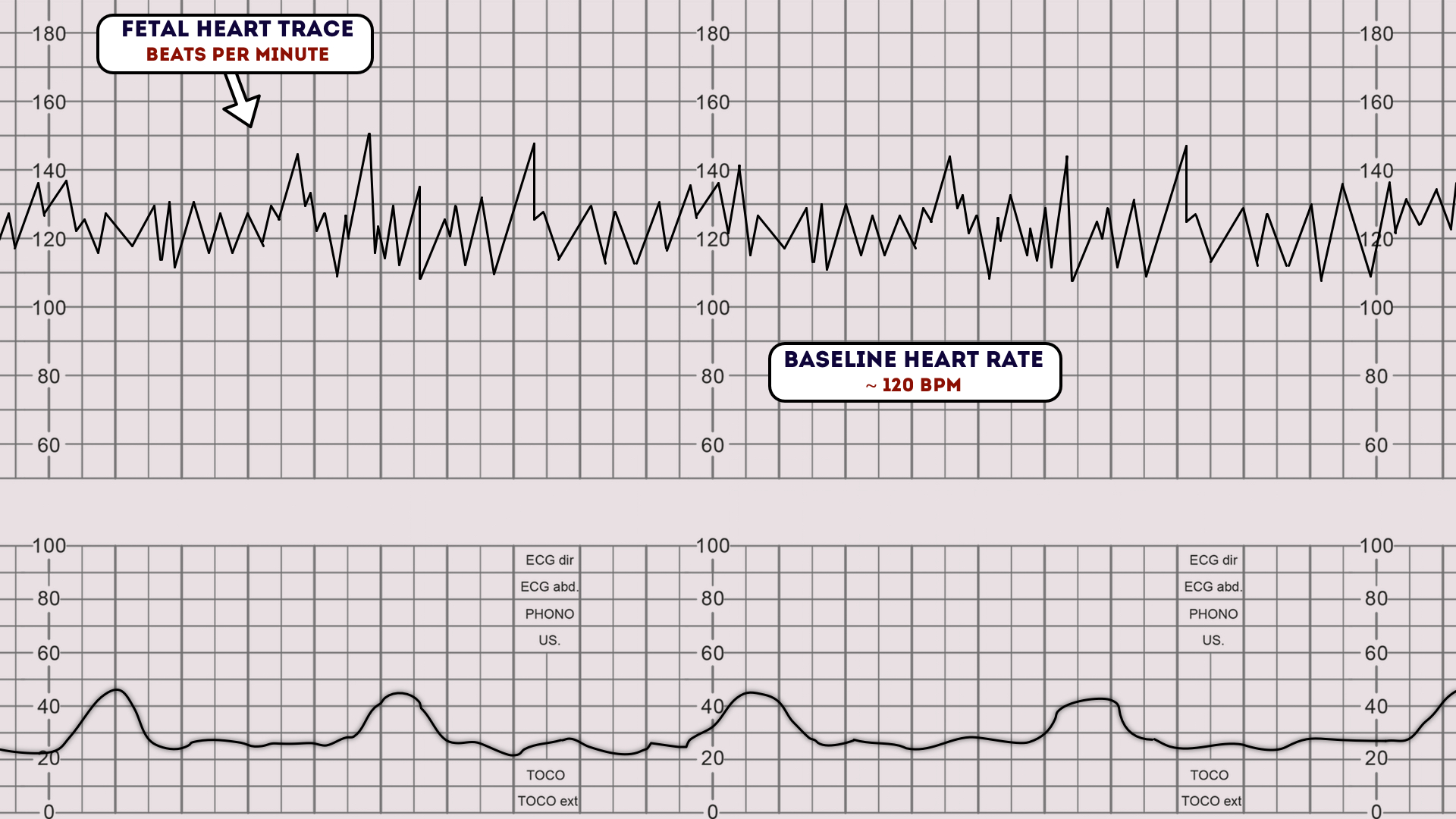
How to Read a CTG CTG Interpretation Geeky Medics
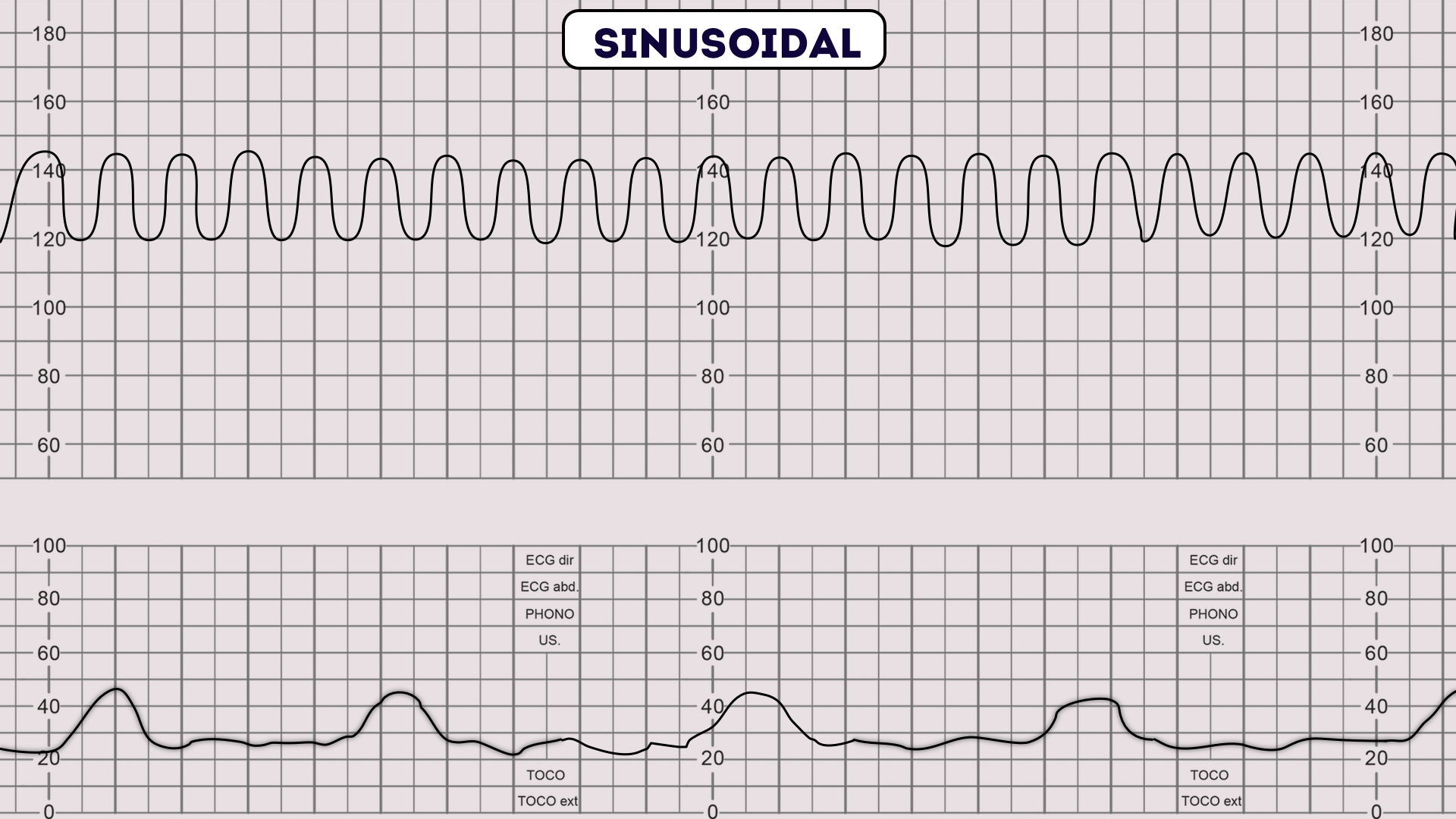
Sinusoidal fetal heart rate
Its Definition And Clinical Significance.
Fetal Heart Rate Can Provide Lots Of Information About Your Baby’s Health.
Web External Fetal Heart Rate Monitoring At 1 Cm/Min (Top Graph), 2 Cm/Min (Middle Graph), And 3 Cm/Min (Bottom Graph).
Starting Soon After A Woman In Labor Is Admitted To The Hospital, The Doctor Or Another Health Care Professional Monitors The Fetus’s Heartbeat Either Periodically Or Continuously.
Related Post: