
German Camouflage Patterns
German Camouflage Patterns - Web german world war ii camouflage patterns formed a family of disruptively patterned military camouflage designs for clothing, used and in the main designed during the second world war. The pattern’s unique use of spots eliminates hard boundaries between its various colours, making it extremely effective in temperate woodland terrain. Web both before and during the second world war, german armor camouflage went through a series of changes. The ww1 german lozenge patterns are some of the most interesting and distinctive camouflage schemes ever devised and it always seemed strange to me that there were so many different interpretations of the colors. Web german world war ii camouflage patterns formed a family of disruptively patterned military camouflage designs for clothing, used and in the main designed during the second world war. Camouflage patterns of the wehrmacht were regulated by army communiqués (heeresmitteilung) issued throughout the war. Web german army (bundeswehr) camouflage patterns. The german armed forces (wehrmacht) were the first military to issue camouflage widely. Web for today's video, we'll be looking at some of the camouflage patterns used by the german wehrmacht during the second world war. The first pattern, splittertarnmuster, was designed in 1931 and was initially intended for zeltbahn shelter halves. Military camouflage is the use of camouflage by armed forces to protect personnel and equipment from observation by enemy forces. Web both before and during the second world war, german armor camouflage went through a series of changes. Web previously, i discussed the camouflage schemes and patterns the wehrmacht utilized with its ground vehicles, and provided imagery to support the information i provided. Web we break down the most historically significant military camo patterns of the last 100 years and how designers use them today. Camouflage patterns of the wehrmacht were regulated by army communiqués (heeresmitteilung) issued throughout the war. Web for today's video, we'll be looking at some of the camouflage patterns used by the german wehrmacht during the second world war. The ww1 german lozenge patterns are some of the most interesting and distinctive camouflage schemes ever devised and it always seemed strange to me that there were so many different interpretations of the colors. Web introduction to german world war 2 patterns. The first pattern, splittertarnmuster (splinter camouflage pattern), was designed in 1931 and was initially intended for zeltbahn shelter halves. The german armed forces (wehrmacht) were the first military to issue camouflage widely. Textile patterns for uniforms have multiple functions, including camouflage, identifying friend from foe, and esprit de corps. Web german 5 color lozenge camouflage scheme by mark miller. Web this is a list of military clothing camouflage patterns used for battledress. Web both before and during the second world war, german armor camouflage went through a series of changes. Web german. Yes, there were surely color standards. If you’re collecting realistic military reproductions, field gear, or uniforms for the purposes of reenactment, it’s helpful to be familiar with some of. The german armed forces (wehrmacht) were the first military to issue camouflage widely. The pattern’s unique use of spots eliminates hard boundaries between its various colours, making it extremely effective in. Web both before and during the second world war, german armor camouflage went through a series of changes. Textile patterns for uniforms have multiple functions, including camouflage, identifying friend from foe, and esprit de corps. The german armed forces (wehrmacht) were the first military to issue camouflage widely. Web previously, i discussed the camouflage schemes and patterns the wehrmacht utilized. Web we break down the most historically significant military camo patterns of the last 100 years and how designers use them today. Web this is a list of military clothing camouflage patterns used for battledress. Web german world war ii camouflage patterns formed a family of disruptively patterned military camouflage designs for clothing, used and in the main designed during. The first pattern, splittertarnmuster (splinter camouflage pattern), was designed in 1931 and was initially intended. Vehicle base colours were permanently applied at the factory, and factories were the first to implement any base colour changes. Web german world war ii camouflage patterns formed a family of disruptively patterned military camouflage designs for clothing, used and in the main designed during. This pattern is designed to provide effective concealment in temperate woodland terrains. However, the dyes were likely hand mixed, and even a slight deviation from the color formulas can cause notable variations. Between 1931 and 1945, the germans created at least 14 different patterns and produced many of them in two or more colour variants. The pattern’s unique use of. However, the dyes were likely hand mixed, and even a slight deviation from the color formulas can cause notable variations. Web both before and during the second world war, german armor camouflage went through a series of changes. Web previously, i discussed the camouflage schemes and patterns the wehrmacht utilized with its ground vehicles, and provided imagery to support the. Web german army uniform camouflage patterns (comprehensive guide)support: Web introduction to german world war 2 patterns. Web german world war ii camouflage patterns formed a family of disruptively patterned military camouflage designs for clothing, used and in the main designed during the second world war. The first pattern, splittertarnmuster (splinter camouflage pattern), was designed in 1931 and was initially intended. Web german world war ii camouflage patterns formed a family of disruptively patterned military camouflage designs for clothing, used and in the main designed during the second world war. Textile patterns for uniforms have multiple functions, including camouflage, identifying friend from foe, and esprit de corps. Web previously, i discussed the camouflage schemes and patterns the wehrmacht utilized with its. The first pattern, splittertarnmuster (splinter camouflage pattern), was designed in 1931 and was initially intended for zeltbahn shelter halves. Military camouflage is the use of camouflage by armed forces to protect personnel and equipment from observation by enemy forces. If you’re collecting realistic military reproductions, field gear, or uniforms for the purposes of reenactment, it’s helpful to be familiar with. If you’re collecting realistic military reproductions, field gear, or uniforms for the purposes of reenactment, it’s helpful to be familiar with some of. Web previously, i discussed the camouflage schemes and patterns the wehrmacht utilized with its ground vehicles, and provided imagery to support the information i provided. Military camouflage is the use of camouflage by armed forces to protect personnel and equipment from observation by enemy forces. The first pattern, splittertarnmuster (splinter camouflage pattern), was designed in 1931 and was initially intended for zeltbahn shelter halves. The first pattern, however, splittertarnmuster (splinter camouflage pattern), was designed in 1931 and was. Starting from 1932, all units received some camouflaged items. Yes, there were surely color standards. Web german army uniform camouflage patterns (comprehensive guide)support: All original german camouflage patterns exhibit a wide range of shades. Web german army (bundeswehr) camouflage patterns. The second world war era splitternmuster (splinter pattern) camouflage design was given new life as a general purpose uniform for the bundeswehr beginning in 1956. Web german world war ii camouflage patterns formed a family of disruptively patterned military camouflage designs for clothing, used and in the main designed during the second world war. Web this is a list of military clothing camouflage patterns used for battledress. Web we break down the most historically significant military camo patterns of the last 100 years and how designers use them today. Web german world war ii camouflage patterns formed a family of disruptively patterned military camouflage designs for clothing, used and in the main designed during the second world war. Web german world war ii camouflage patterns formed a family of disruptively patterned military camouflage designs for clothing, used and in the main designed during the second world war.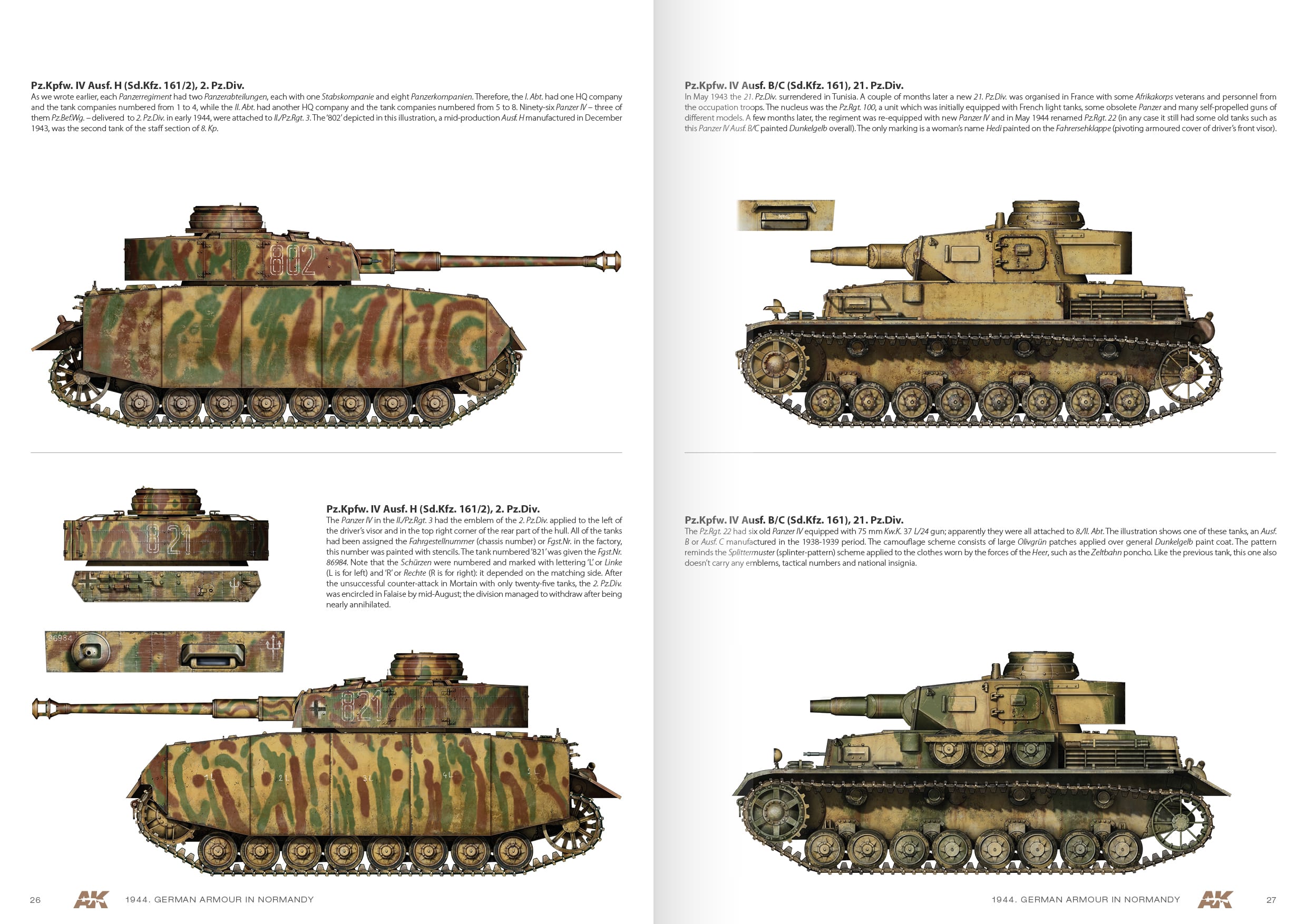
1945 German Colors Camouflage Profile Guide Telegraph
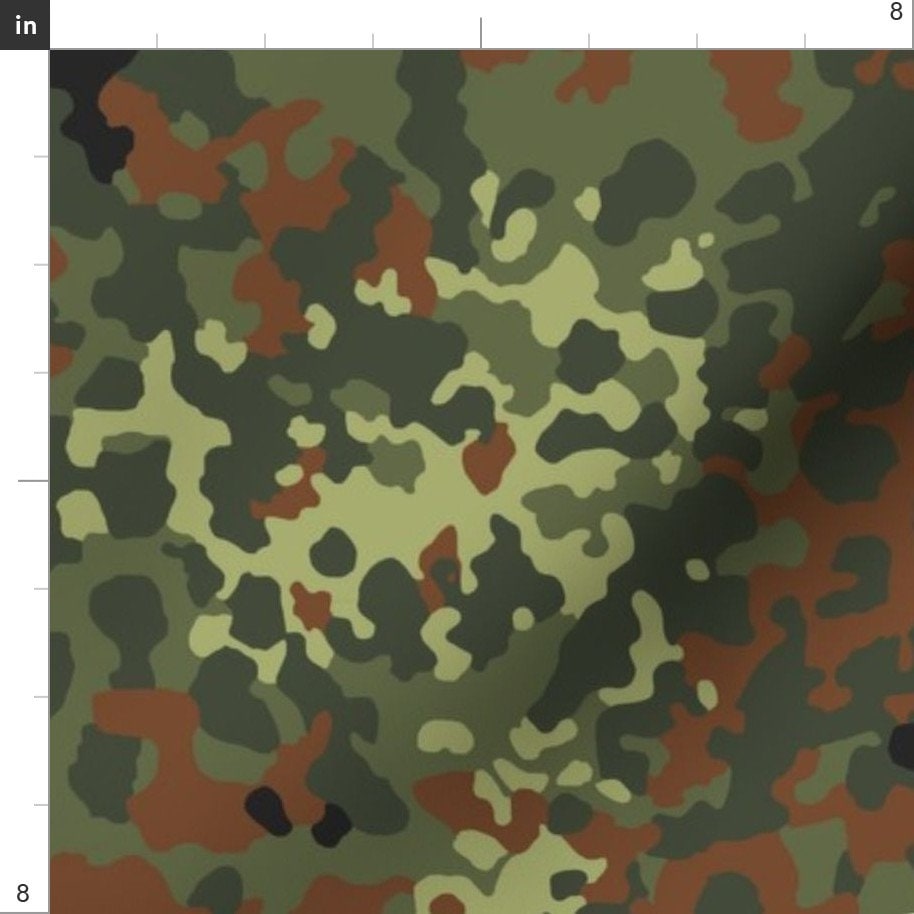
German Camo Fabric Camo by Ricraynor German Camouflage Etsy UK
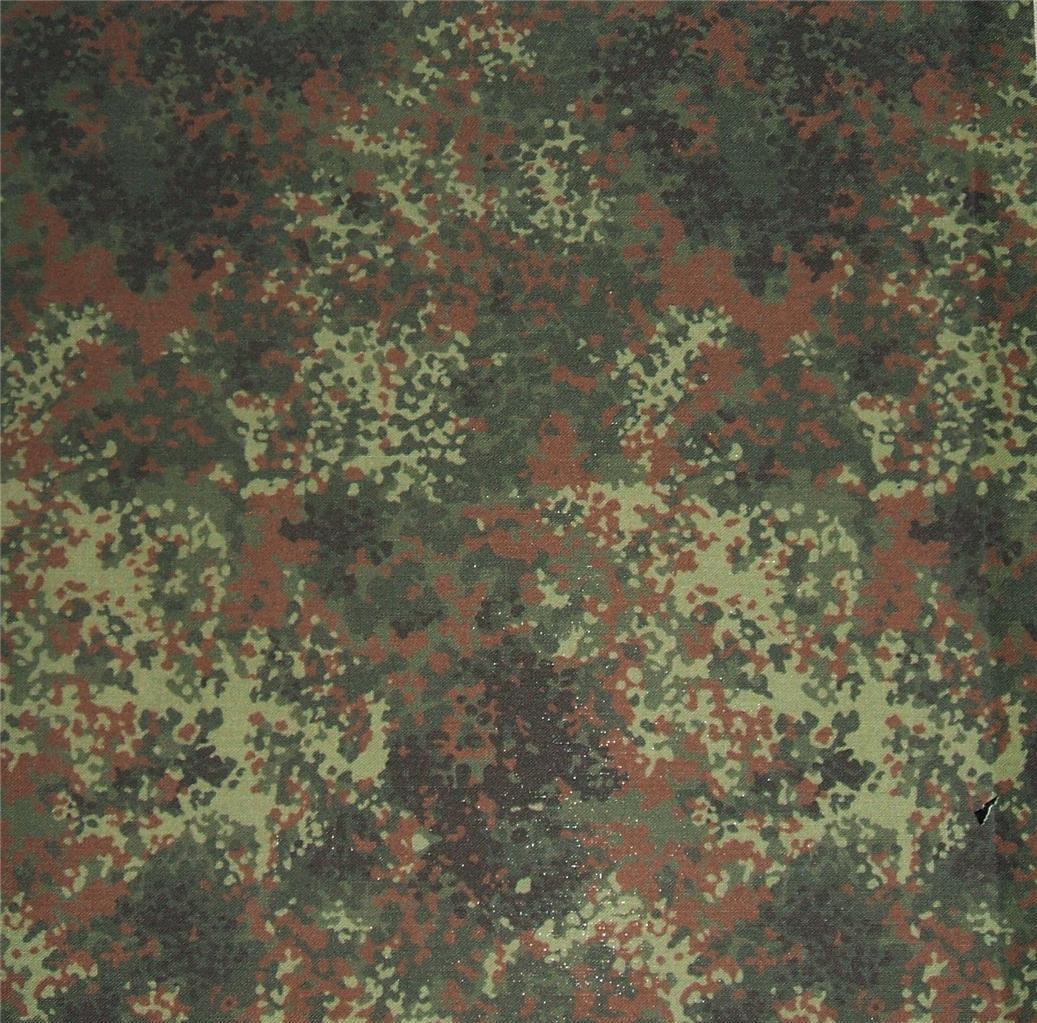
Flecktarn or “spotted camouflage”; is the German...
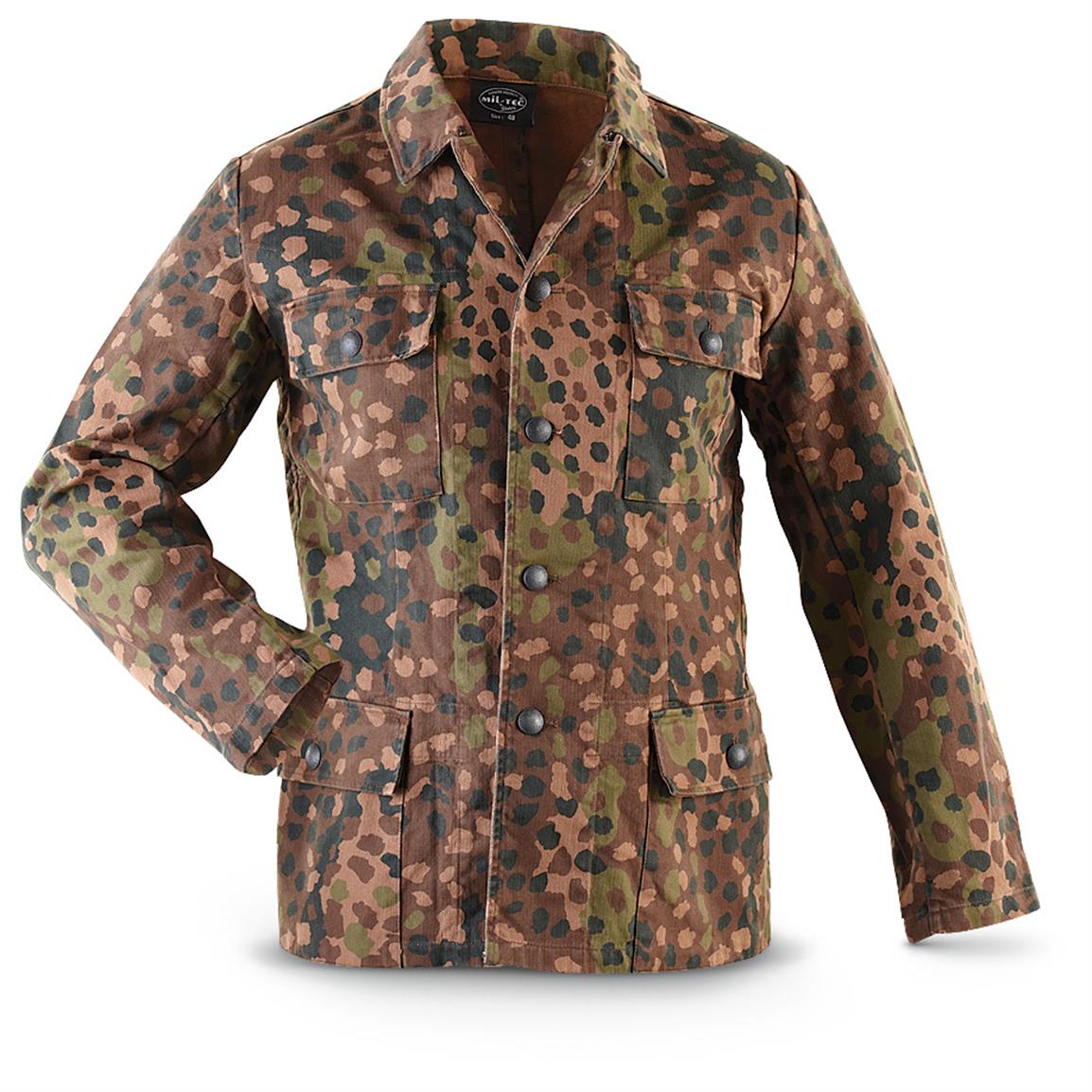
German Wwii Camo Patterns

Premium Vector German Flecktarn Military Camouflage Seamless Pattern

german camouflage patterns ww2 lineartdrawingsplantsface

German Flecktarn Camouflage Patterns Graphic Patterns Creative Market
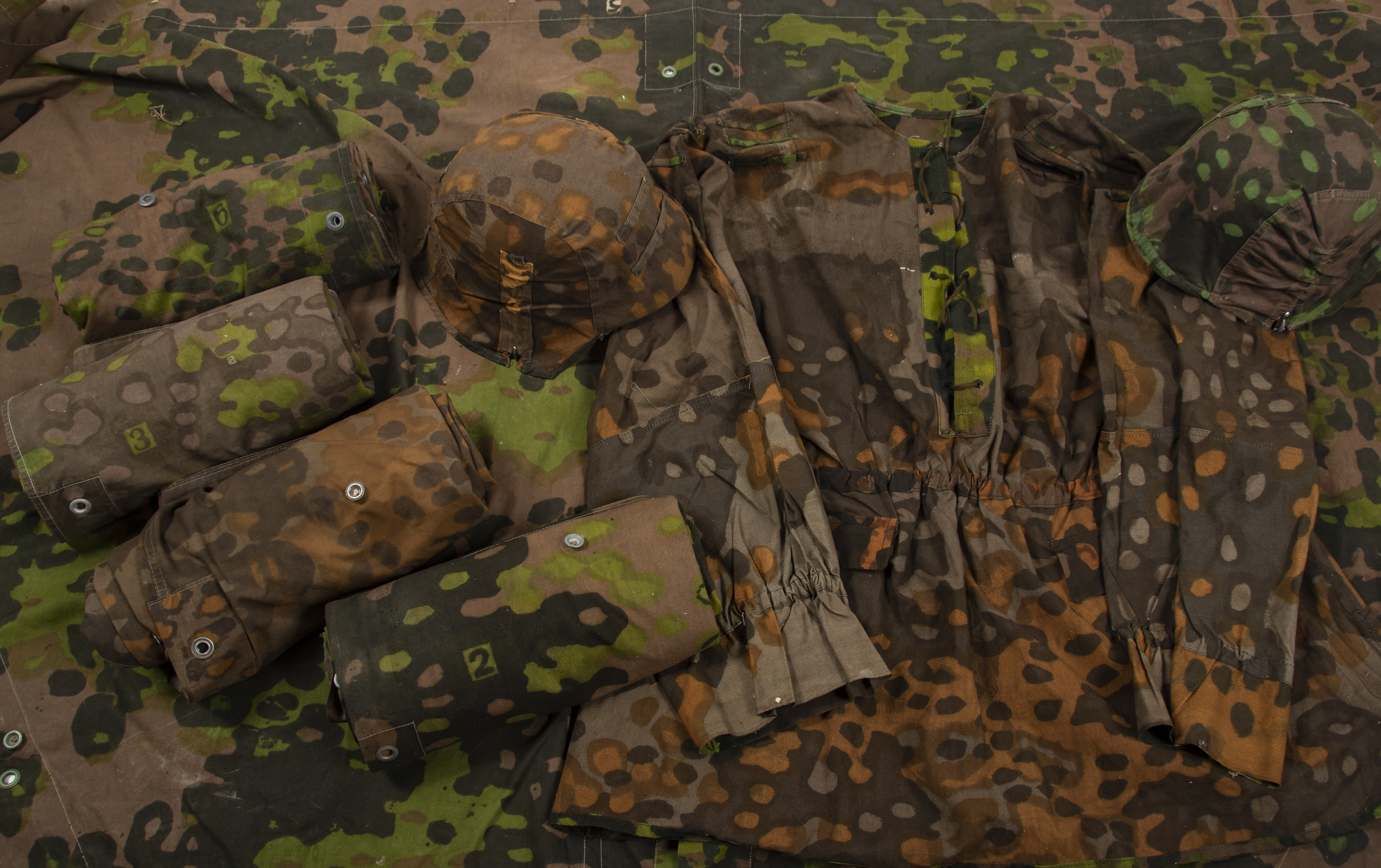
german camouflage patterns ww2 lineartdrawingsplantsface
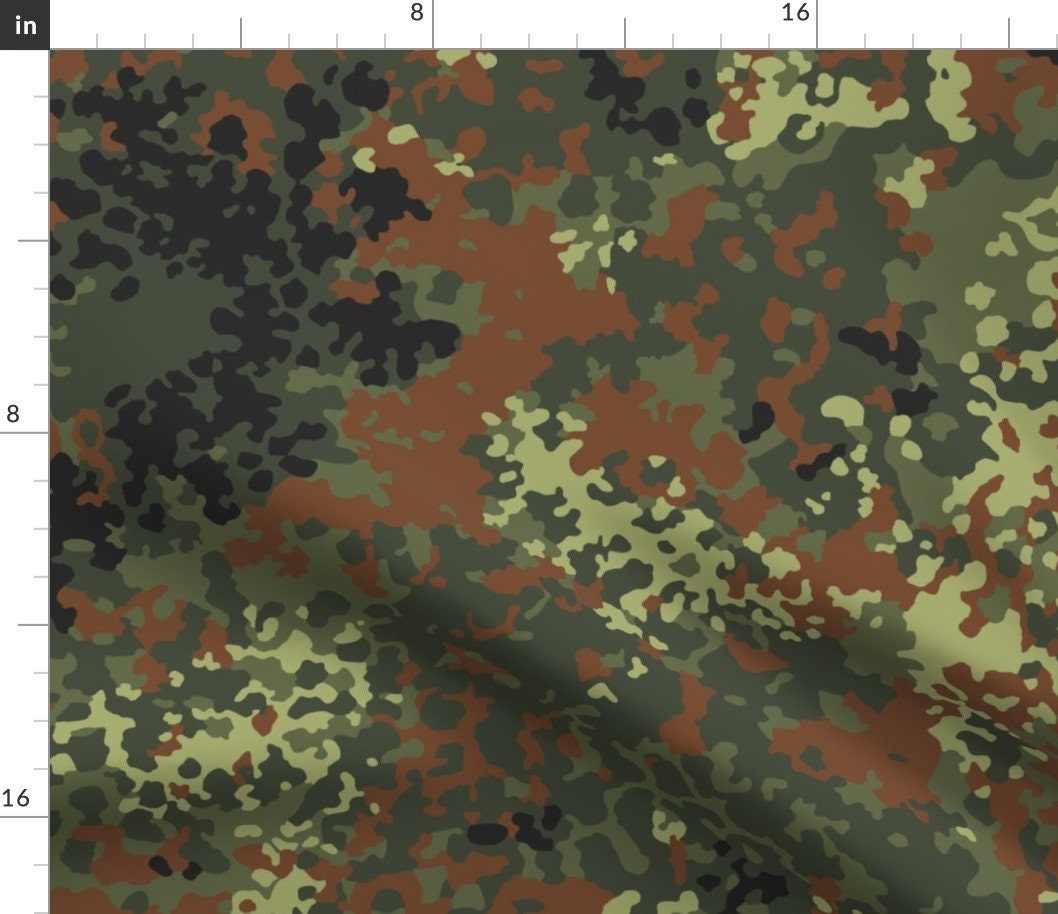
German Camo Fabric Camo by Ricraynor German Camouflage Etsy UK
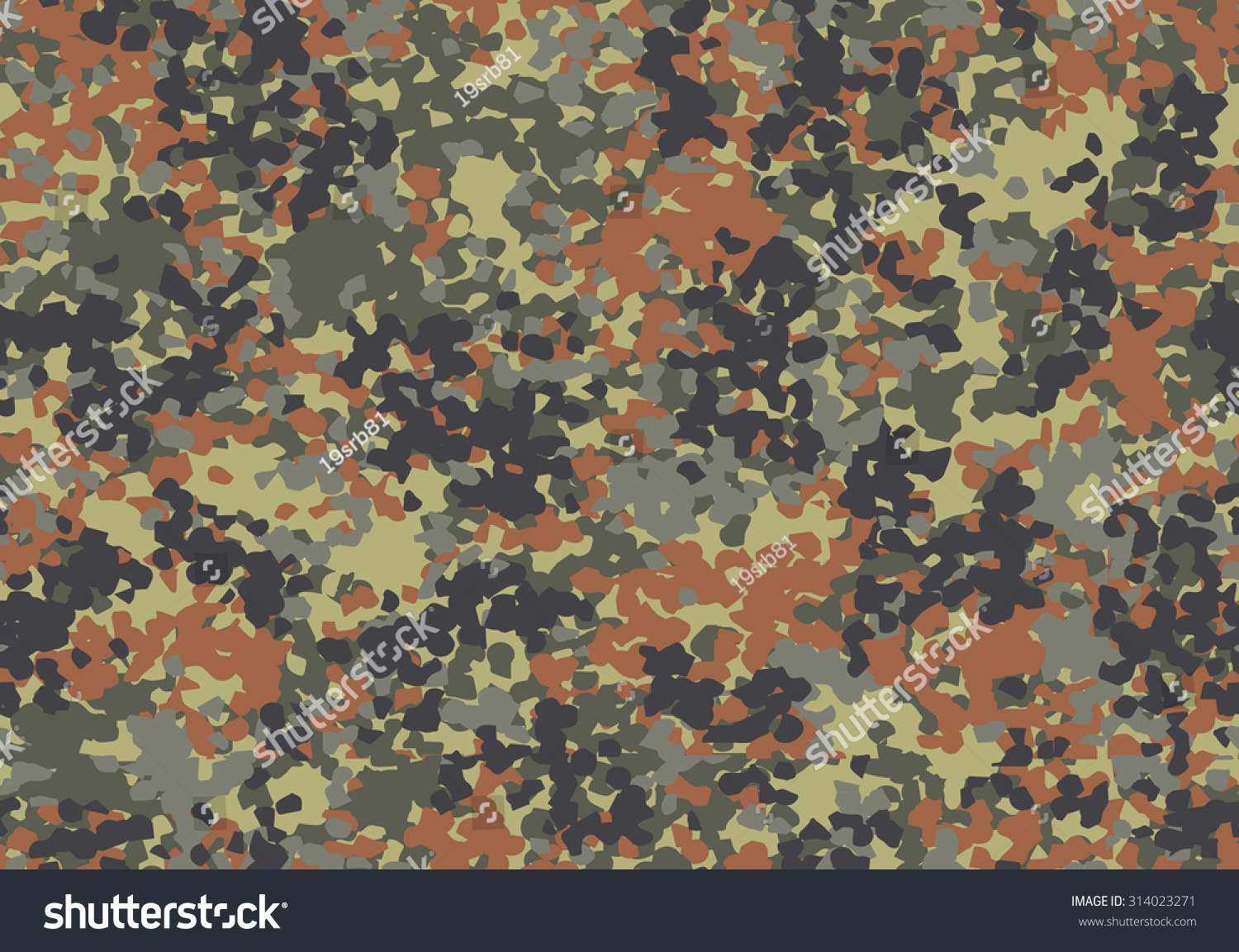
German Flecktarn Camouflage Seamless Pattern. Five Colors. Stock Vector
The First Pattern, Splittertarnmuster (Splinter Camouflage Pattern), Was Designed In 1931 And Was Initially Intended.
Web For Today's Video, We'll Be Looking At Some Of The Camouflage Patterns Used By The German Wehrmacht During The Second World War.
Textile Patterns For Uniforms Have Multiple Functions, Including Camouflage, Identifying Friend From Foe, And Esprit De Corps.
The Ww1 German Lozenge Patterns Are Some Of The Most Interesting And Distinctive Camouflage Schemes Ever Devised And It Always Seemed Strange To Me That There Were So Many Different Interpretations Of The Colors.
Related Post: