
Head And Shoulders Pattern Inverse
Head And Shoulders Pattern Inverse - Web [2] head and shoulders bottom. Web inverted head and shoulders is a reversal pattern formed by three consecutive lows and two intermediate highs. The pattern resembles the shape of a person’s head and two shoulders in an inverted position, with three consistent lows and peaks. Furthermore, the pattern appears at the end of a downward trend and should have a clear neckline used as a resistance level. The head and shoulders top used to predict downtrend reversals. However, if traded correctly, it allows you to identify high probability breakout trades, catch the start of a new trend, and even “predict” market bottoms ahead of time. The first and third lows are called shoulders. Following this, the price generally goes to the upside and starts a new uptrend. The outside two are close in height and the middle is the. Stronger preceding trends are prone to more dramatic reversals. This reversal could signal an. This article addresses these by showing you the common hallmarks of a failed (inverse) head and shoulders pattern and how to mitigate losses when this. This formation is simply the inverse of a head and shoulders top and often indicates a change in the trend and market sentiment. Volume play a major role in both h&s and inverse h&s patterns. Web when a head and shoulders formation is seen in a downtrend, it signifies a major reversal. Just like in the straight head and shoulders pattern, the strength of this reversal, measured as the rise amount after breakout, is proportional to the decline before pattern emergence: Read about head and shoulder pattern here: Web inverse head and shoulders pattern is the mirror image of head and shoulders pattern. Web what is an inverse head and shoulders pattern? Head & shoulder and inverse head & shoulder. The pattern consists of 3. Web the inverse head and shoulders chart pattern is a bullish chart formation that signals a potential reversal of a downtrend. Web an inverse head and shoulders pattern is a technical analysis pattern that signals a potential trend reversal in a downtrend. Web when a head and shoulders formation is seen in a downtrend, it. It is of two types: Head & shoulder and inverse head & shoulder. Volume play a major role in both h&s and inverse h&s patterns. Web [2] head and shoulders bottom. The right shoulder on these patterns typically is higher than the left, but many times it’s equal. The weekly chart provides more hints about what to expect this week. Volume play a major role in both h&s and inverse h&s patterns. Stronger preceding trends are prone to more dramatic reversals. [3] the formation is upside down and the volume pattern is different from a head and shoulder top. This pattern is a trend reversal chart pattern. Head & shoulder and inverse head & shoulder. However, if traded correctly, it allows you to identify high probability breakout trades, catch the start of a new trend, and even “predict” market bottoms ahead of time. Web the inverse head and shoulders pattern is a chart pattern that has fooled many traders (i’ll explain why shortly). It represents a bullish. Web a head and shoulders pattern is a chart formation used by technical analysts. However, not much is written about its shortcomings. Web when a head and shoulders formation is seen in a downtrend, it signifies a major reversal. Signals the traders to enter into long position above the neckline. [3] the formation is upside down and the volume pattern. This article addresses these by showing you the common hallmarks of a failed (inverse) head and shoulders pattern and how to mitigate losses when this. Web an inverse head and shoulders is an upside down head and shoulders pattern and consists of a low, which makes up the head, and two higher low peaks that make up the left and. The head and shoulders top used to predict downtrend reversals. Web the inverse head and shoulders chart pattern is a bullish chart formation that signals a potential reversal of a downtrend. Web the inverse head and shoulders pattern is a reversal pattern in stock trading. Web [2] head and shoulders bottom. Web the inverse head and shoulders, or the head. This technical setup is characterized by forming three troughs—with the middle one (head) deeper than the other two (shoulders)—atop a common neckline resistance. Just like in the straight head and shoulders pattern, the strength of this reversal, measured as the rise amount after breakout, is proportional to the decline before pattern emergence: The pattern appears as a baseline with three. Web a head and shoulders pattern is a technical indicator with a chart pattern of three peaks, where the outer two are close in height, and the middle is the highest. Web the inverse head and shoulders, or the head and shoulders bottom, is a popular chart pattern used in technical analysis. Traders and investors can use the pattern because. Web an inverse head and shoulders pattern is a technical analysis pattern that signals a potential trend reversal in a downtrend. Web an inverse head and shoulders is an upside down head and shoulders pattern and consists of a low, which makes up the head, and two higher low peaks that make up the left and right shoulders. Web the. However, if traded correctly, it allows you to identify high probability breakout trades, catch the start of a new trend, and even “predict” market bottoms ahead of time. This pattern is a trend reversal chart pattern. The first and third lows are called shoulders. Web a head and shoulders pattern is a chart formation used by technical analysts. The inverse head and shoulders pattern is a technical indicator that signals a potential reversal from a downward trend to an upward trend. Furthermore, the pattern appears at the end of a downward trend and should have a clear neckline used as a resistance level. Signals the traders to enter into long position above the neckline. Read about head and shoulder pattern here: Web [2] head and shoulders bottom. Web a head and shoulders pattern is a technical indicator with a chart pattern of three peaks, where the outer two are close in height, and the middle is the highest. Stronger preceding trends are prone to more dramatic reversals. Following this, the price generally goes to the upside and starts a new uptrend. However, not much is written about its shortcomings. The height of the pattern plus the breakout price should be your target price using this indicator. This article addresses these by showing you the common hallmarks of a failed (inverse) head and shoulders pattern and how to mitigate losses when this. Head & shoulder and inverse head & shoulder.
How to Use Head and Shoulders Pattern (Chart Pattern Part 1)
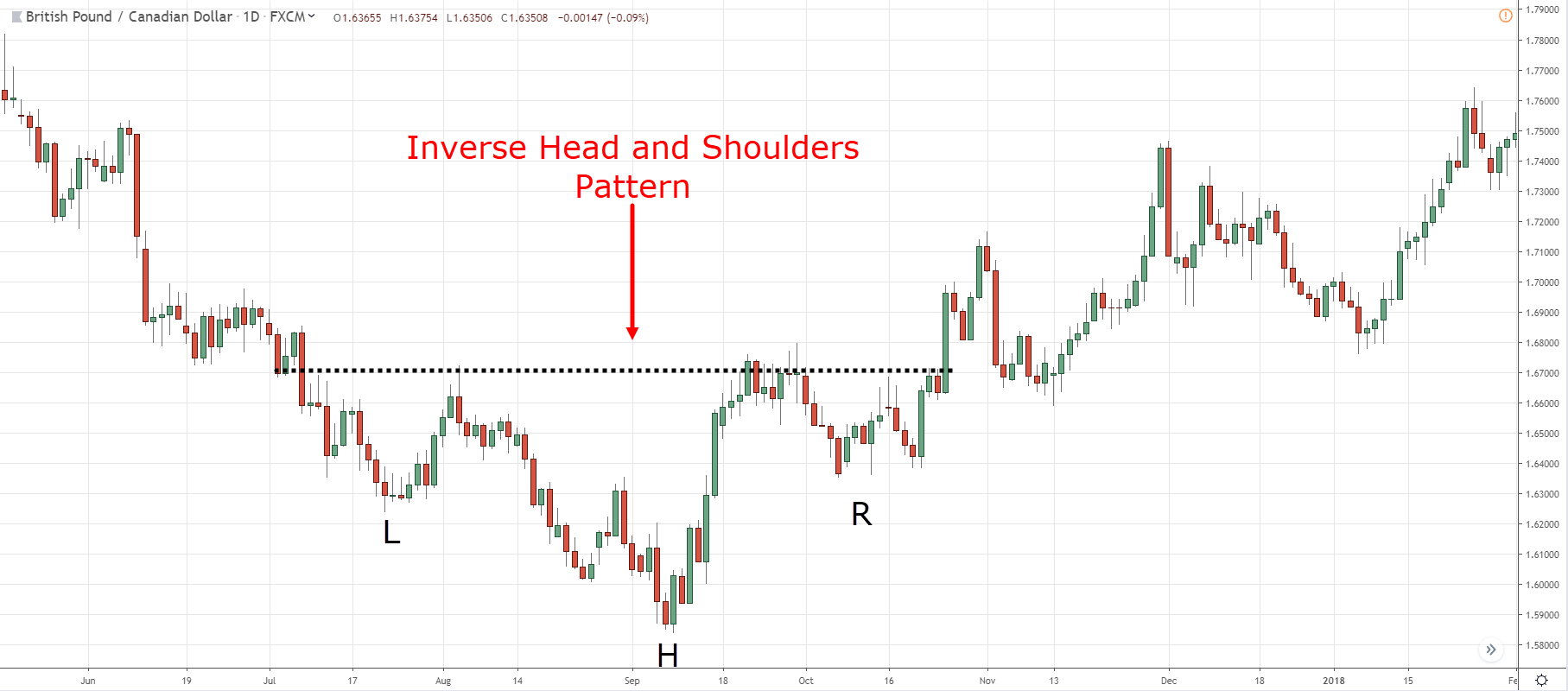
Inverse Head and Shoulders Pattern Trading Strategy Guide
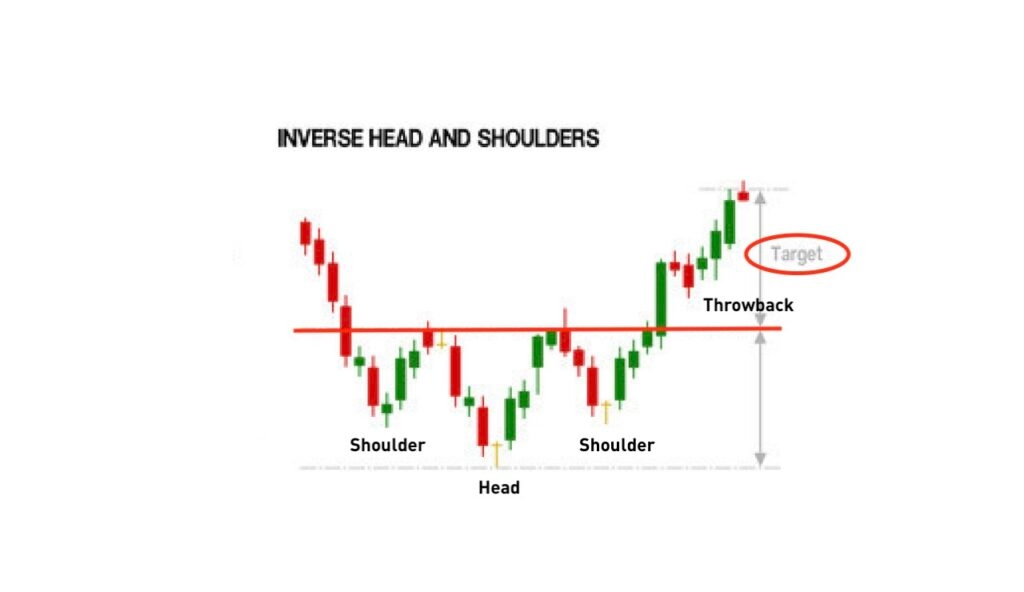
Head and Shoulders Pattern What Is It & How to Trade With It? Bybit

How to Use Head and Shoulders Pattern (Chart Pattern Part 1)

Head And Shoulders Chart Meaning

Inverse Head and Shoulders Chart Pattern in 2020 Trading charts
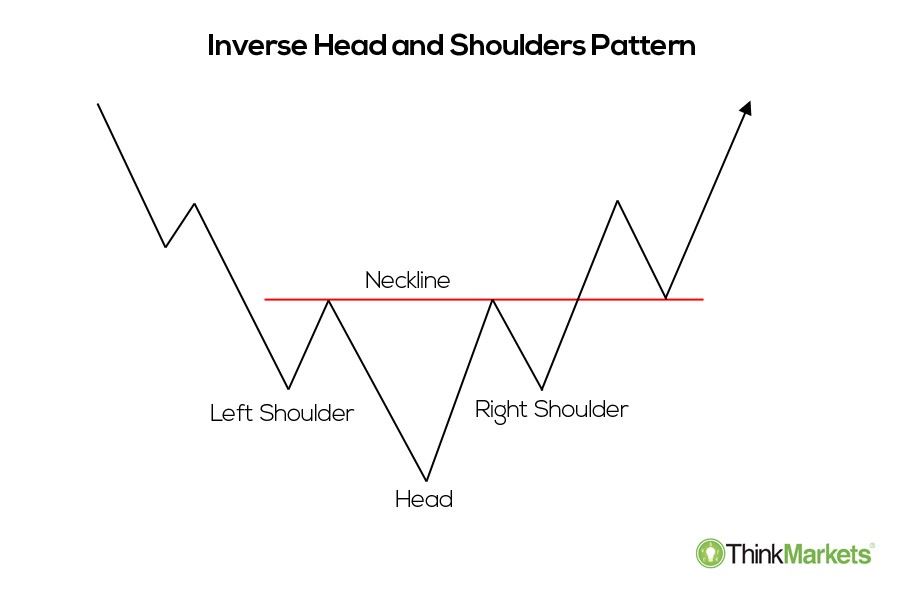
Head and Shoulders Trading Patterns ThinkMarkets EN
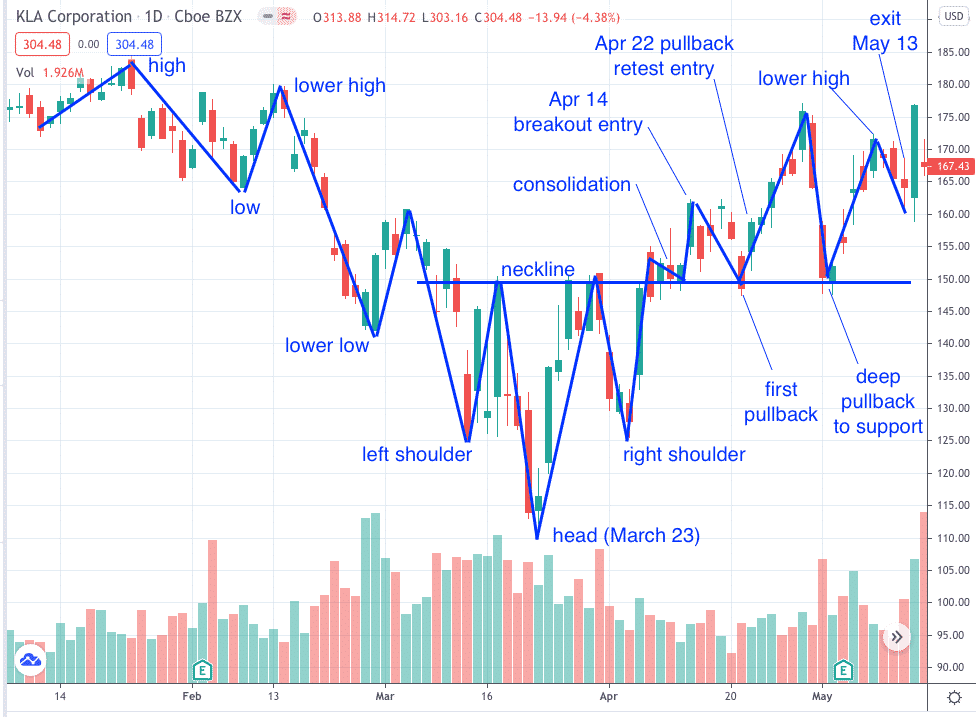
Inverse Head and Shoulders Pattern How To Spot It
![Inverse Head And Shoulders Pattern [2023 Update] Daily Price Action](https://dailypriceaction.com/wp-content/uploads/2015/03/Inverse-head-and-shoulders-confirmed.jpg)
Inverse Head And Shoulders Pattern [2023 Update] Daily Price Action
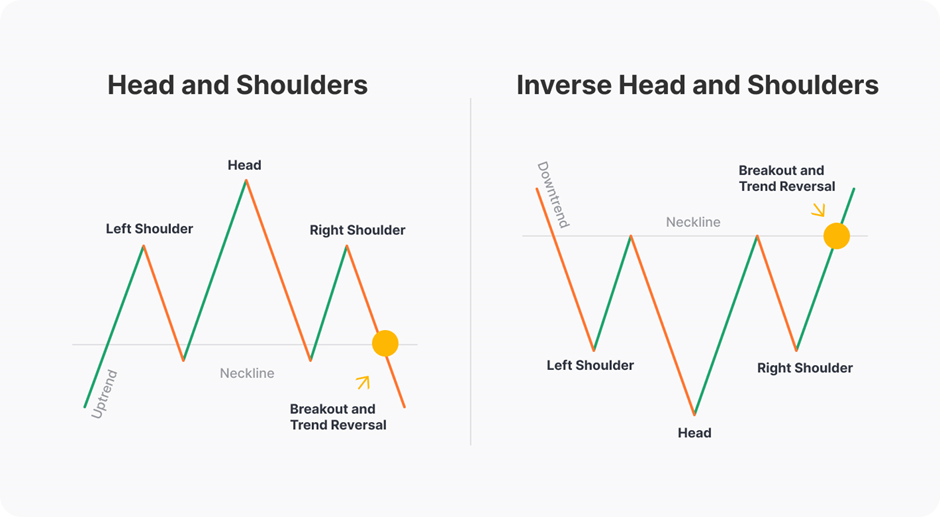
How to Trade with the Inverse Head and Shoulders Pattern Market Pulse
This Reversal Could Signal An.
Web Most Notably, It Has Also Formed An Inverse Head And Shoulders Chart Pattern, Which Is Often A Bullish Sign.
This Formation Is Simply The Inverse Of A Head And Shoulders Top And Often Indicates A Change In The Trend And Market Sentiment.
Web The Inverse Head And Shoulders, Or The Head And Shoulders Bottom, Is A Popular Chart Pattern Used In Technical Analysis.
Related Post: