
Islamic Pattern Geometric
Islamic Pattern Geometric - The circle and the square are the most basic shapes. We start by looking at one quite simple pattern, figure 1. The richly textured geometric forms in the alhambra function as a passageway, an essence, for viewers to meditate on life and afterlife. Web these beautiful designs, found in islamic architecture, art, and manuscripts, showcase a perfect blend of mathematics, aesthetics, and spirituality. Web one of the defining characteristics of islamic art is its abundant use of geometric patterns to adorn a wide variety of architectural and decorative surfaces. Web islamic geometric patterns are formed from four basic shapes: Web in the alhambra (14th c), spain (above), geometric pattern is perfectly integrated with biomorphic design (arabesque) and calligraphy. Web islamic geometric pattern (s) is a distinctive idiom characterized by networks of interlocking stars and polygons, high levels of symmetry on both local and global scales, and various forms of repetition [ 7 ]. Fine examples of islamic art, from the seventh to the nineteenth century, can be seen in the metropolitan museum’s collection. Web across islamic visual art, three key characteristics include floral motifs, geometric designs and calligraphy. Web islamic geometric patterns are formed from four basic shapes: Teachers can readily adapt these materials to create exciting lessons in. This tradition began in the 8th century ce during the early history of islam, when craftsmen took preexisting motifs from roman and persian cultures and developed them into new forms of visual expression. The concept of tawhid, or the oneness of god, is often depicted through the. Fine examples of islamic art, from the seventh to the nineteenth century, can be seen in the metropolitan museum’s collection. Web islamic geometric patterns are a testament to the ingenuity and creativity of islamic art and architecture. Web in the alhambra (14th c), spain (above), geometric pattern is perfectly integrated with biomorphic design (arabesque) and calligraphy. Web geometric patterns occur in a variety of forms in islamic art and architecture. Web surface patterns on works of art created in the islamic world have been prized for centuries for their beauty, refinement, harmony, intricacy, and complexity. The two most fundamental forms are the circle and the square. Web one of the defining characteristics of islamic art is its abundant use of geometric patterns to adorn a wide variety of architectural and decorative surfaces. Web ornament in the islamic work is used to convey the essence of an identifiable message or specific messages themselves. This tradition began in the 8th century ce during the early history of islam,. This tradition began in the 8th century ce during the early history of islam, when craftsmen took preexisting motifs from roman and persian cultures and developed them into new forms of visual expression. Often overlapping across various art forms and genres, these elements are influenced by principles in the qu’ran. Web surface patterns on works of art created in the. These include kilim carpets, persian girih and moroccan zellij tilework, muqarnas decorative vaulting, jali pierced stone screens, ceramics, leather,. Fine examples of islamic art, from the seventh to the nineteenth century, can be seen in the metropolitan museum’s collection. You can find it in mosques, madrasas, palaces and private homes. Web across islamic visual art, three key characteristics include floral. گره, knot, also written gereh) are decorative islamic geometric patterns used in architecture and handicraft objects, consisting of angled lines that form an interlaced strapwork pattern. Web these beautiful designs, found in islamic architecture, art, and manuscripts, showcase a perfect blend of mathematics, aesthetics, and spirituality. You can find it in mosques, madrasas, palaces and private homes. Web islamic geometric. Islamic geometric patterns hold deep cultural and religious significance, reflecting the principles of. Complex rosettes and patterns from the topkapi scroll are intermediate level courses. We start by looking at one quite simple pattern, figure 1. The two most fundamental forms are the circle and the square. Web islamic geometric patterns are formed from four basic shapes: Often overlapping across various art forms and genres, these elements are influenced by principles in the qu’ran. Web geometry primer series, exploring islamic geometric patterns, and patterns from the alhambra are all aimed at beginners. The circle and the square are the most basic shapes. Web geometric patterns occur in a variety of forms in islamic art and architecture. Web. Web these beautiful designs, found in islamic architecture, art, and manuscripts, showcase a perfect blend of mathematics, aesthetics, and spirituality. Web islamic geometric patterns are not only visually captivating but also serve as a profound expression of islamic philosophy, mathematics, and aesthetics, embodying the timeless beauty and wisdom of islamic art and culture. Teachers can readily adapt these materials to. Often overlapping across various art forms and genres, these elements are influenced by principles in the qu’ran. The alhambra, sala de las dos hermanas this pattern was drawn by m c escher on a visit to the alhambra | he had a good eye for an interesting pattern. Web ornament in the islamic work is used to convey the essence. These are the three distinct, but complementary, disciplines that comprise islamic art. Complex rosettes and patterns from the topkapi scroll are intermediate level courses. Web islamic geometric patterns are a testament to the rich artistic heritage of islamic art, featuring a diverse array of intricate designs, each with its own unique name and characteristics. Web a very simple introduction to. Web surface patterns on works of art created in the islamic world have been prized for centuries for their beauty, refinement, harmony, intricacy, and complexity. Web these beautiful designs, found in islamic architecture, art, and manuscripts, showcase a perfect blend of mathematics, aesthetics, and spirituality. These patterns not only exhibit stunning visual beauty but also carry deep cultural and historical. These are the three distinct, but complementary, disciplines that comprise islamic art. These patterns not only exhibit stunning visual beauty but also carry deep cultural and historical significance. Web surface patterns on works of art created in the islamic world have been prized for centuries for their beauty, refinement, harmony, intricacy, and complexity. Web islamic geometric patterns are a testament to the rich artistic heritage of islamic art, featuring a diverse array of intricate designs, each with its own unique name and characteristics. The two most fundamental forms are the circle and the square. Web islamic geometric pattern (s) is a distinctive idiom characterized by networks of interlocking stars and polygons, high levels of symmetry on both local and global scales, and various forms of repetition [ 7 ]. Web in islamic culture, geometry is everywhere. Teachers can readily adapt these materials to create exciting lessons in. This tradition began in the 8th century ce during the early history of islam, when craftsmen took preexisting motifs from roman and persian cultures and developed them into new forms of visual expression. Web one of the defining characteristics of islamic art is its abundant use of geometric patterns to adorn a wide variety of architectural and decorative surfaces. Web islamic geometric patterns are a testament to the ingenuity and creativity of islamic art and architecture. Web islamic geometric patterns are formed from four basic shapes: You can visit link below to read. Web islamic art is often recognized for its ornament and decorative motifs which includes calligraphy, geometric and vegetal patterns, and symmetrical organization. Islamic geometric patterns hold deep cultural and religious significance, reflecting the principles of. Often overlapping across various art forms and genres, these elements are influenced by principles in the qu’ran.
Islamic Geometric Tile by GDJ, Inspired and derived from Lazur's
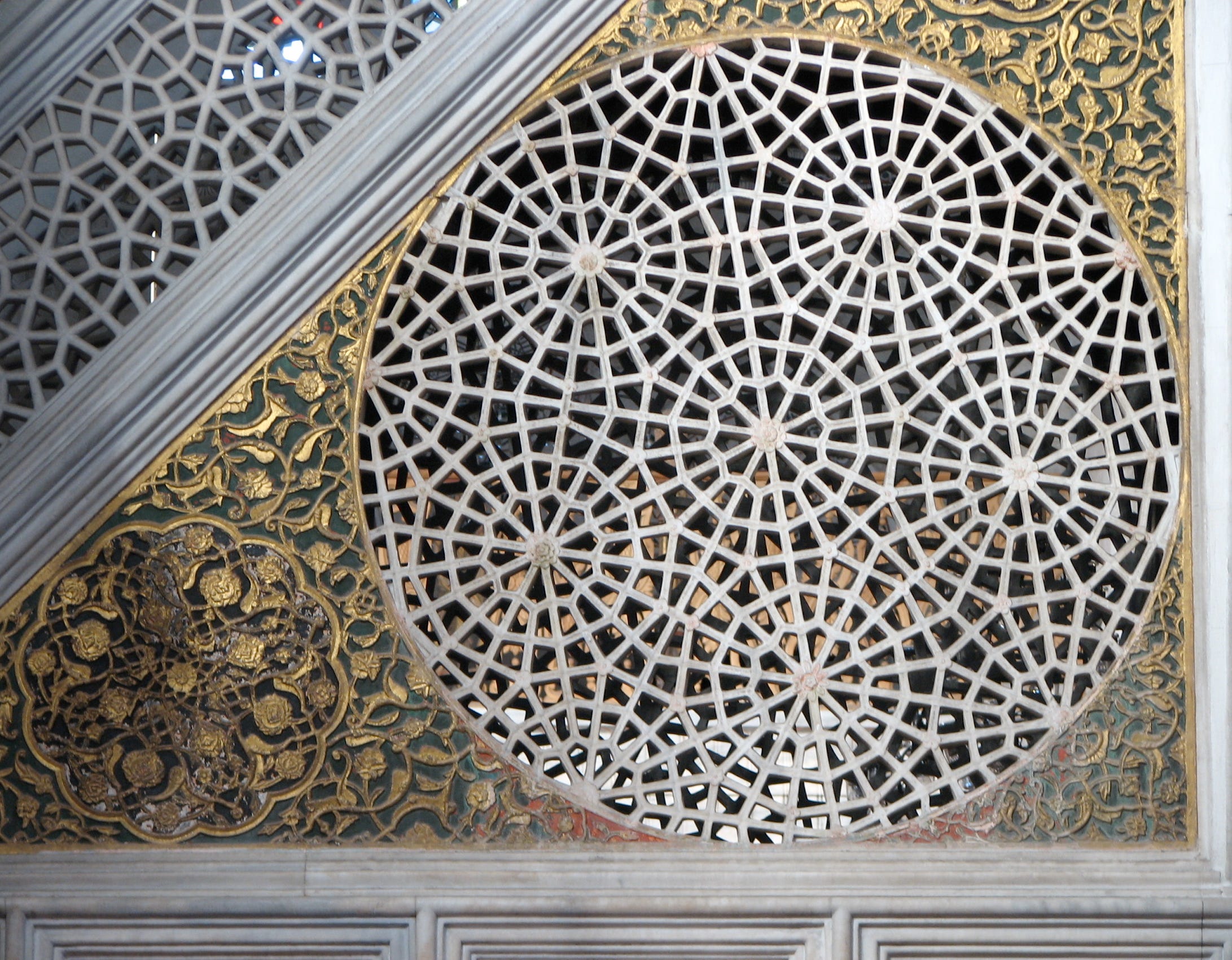
The Stunning Beauty of Islamic Geometric Pattern by Ali However
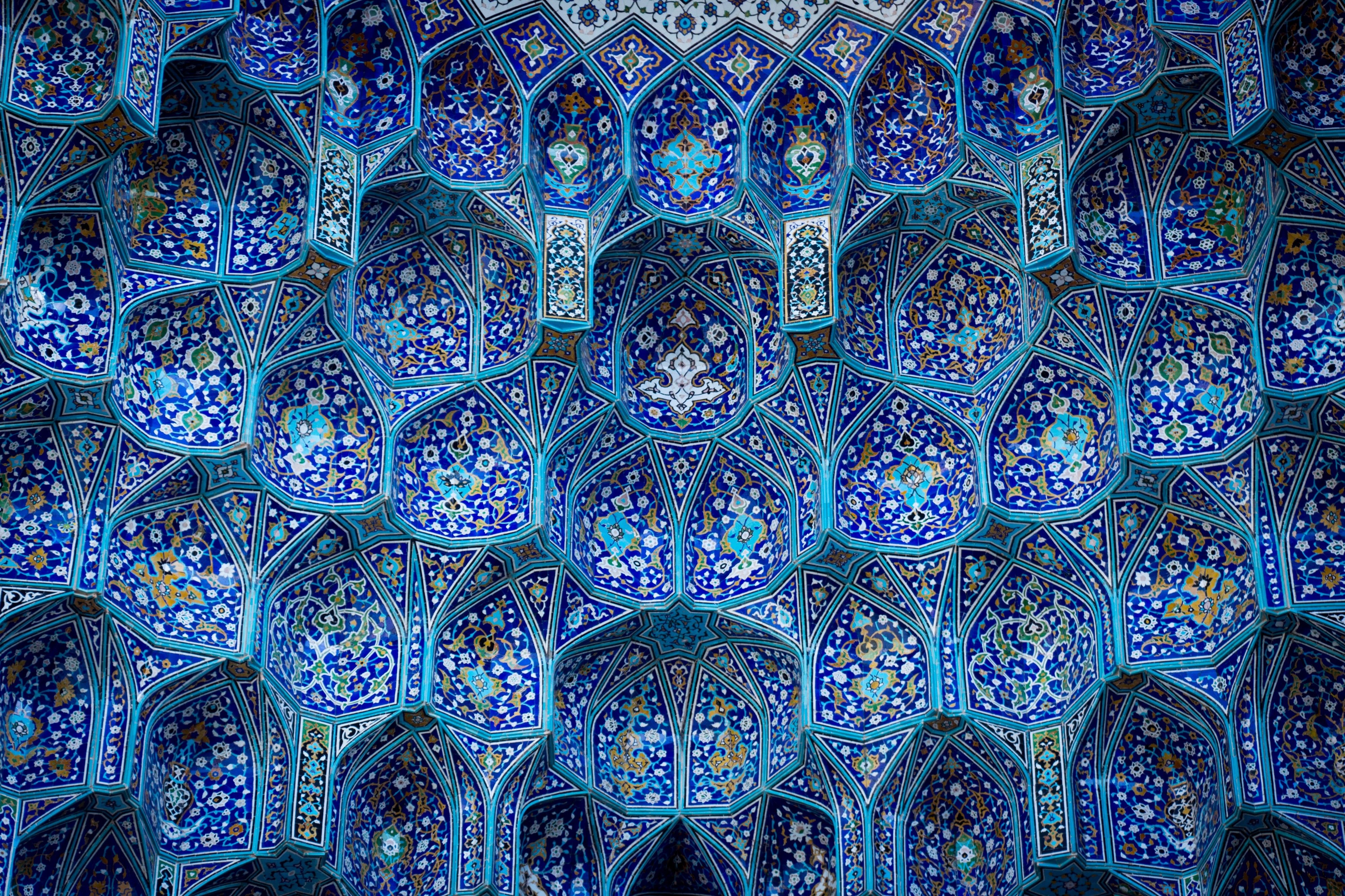
Islamic Geometric Designs Wallpapers Wallpaper Cave

Islamic Arabesque Geometric Art Pattern Vector FreePatternsArea

Islamic Geometric Tile 2 by GDJ Islamic art pattern, Islamic art
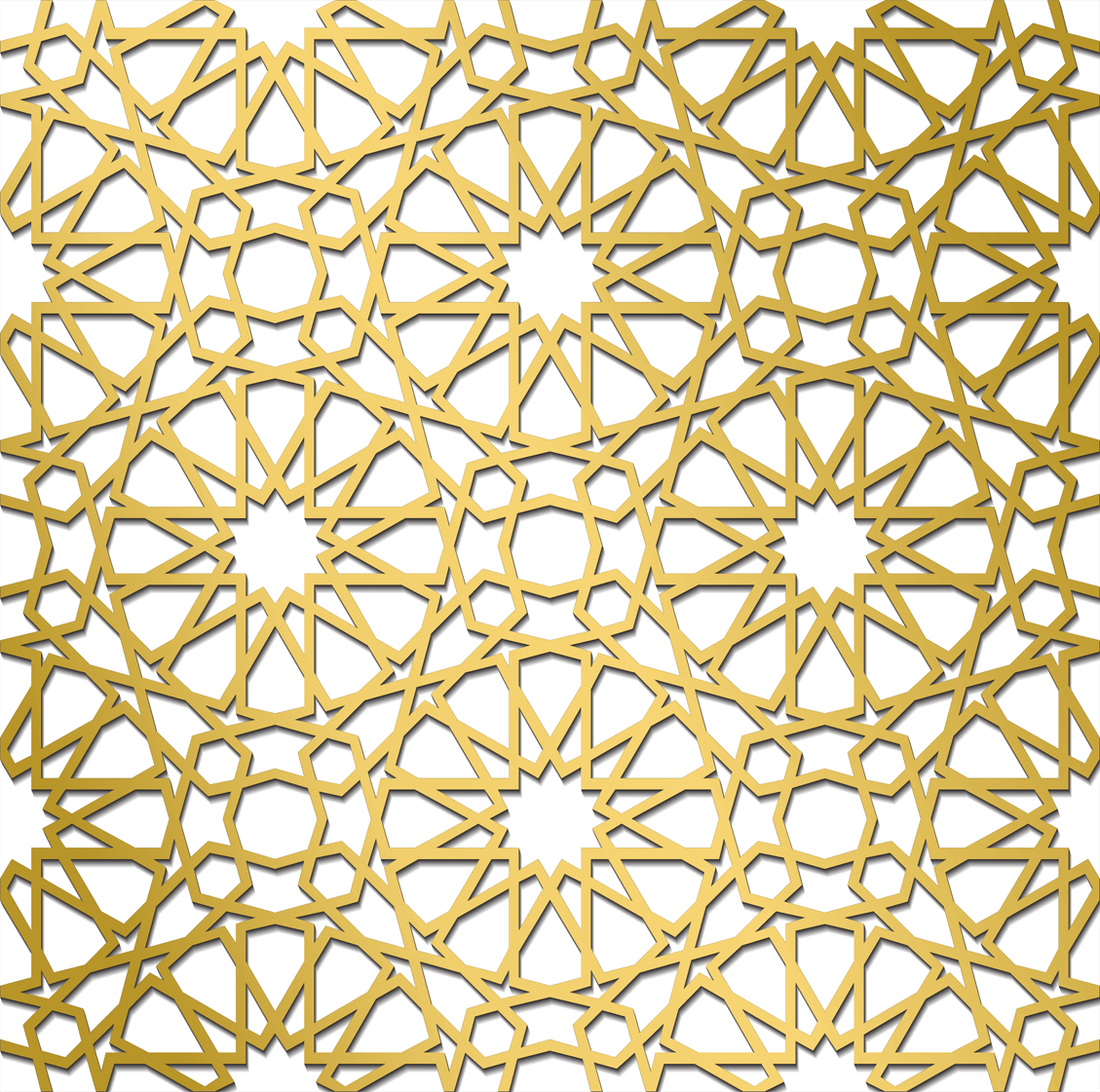
Traditional Islamic Pattern 1308767 Vector Art at Vecteezy
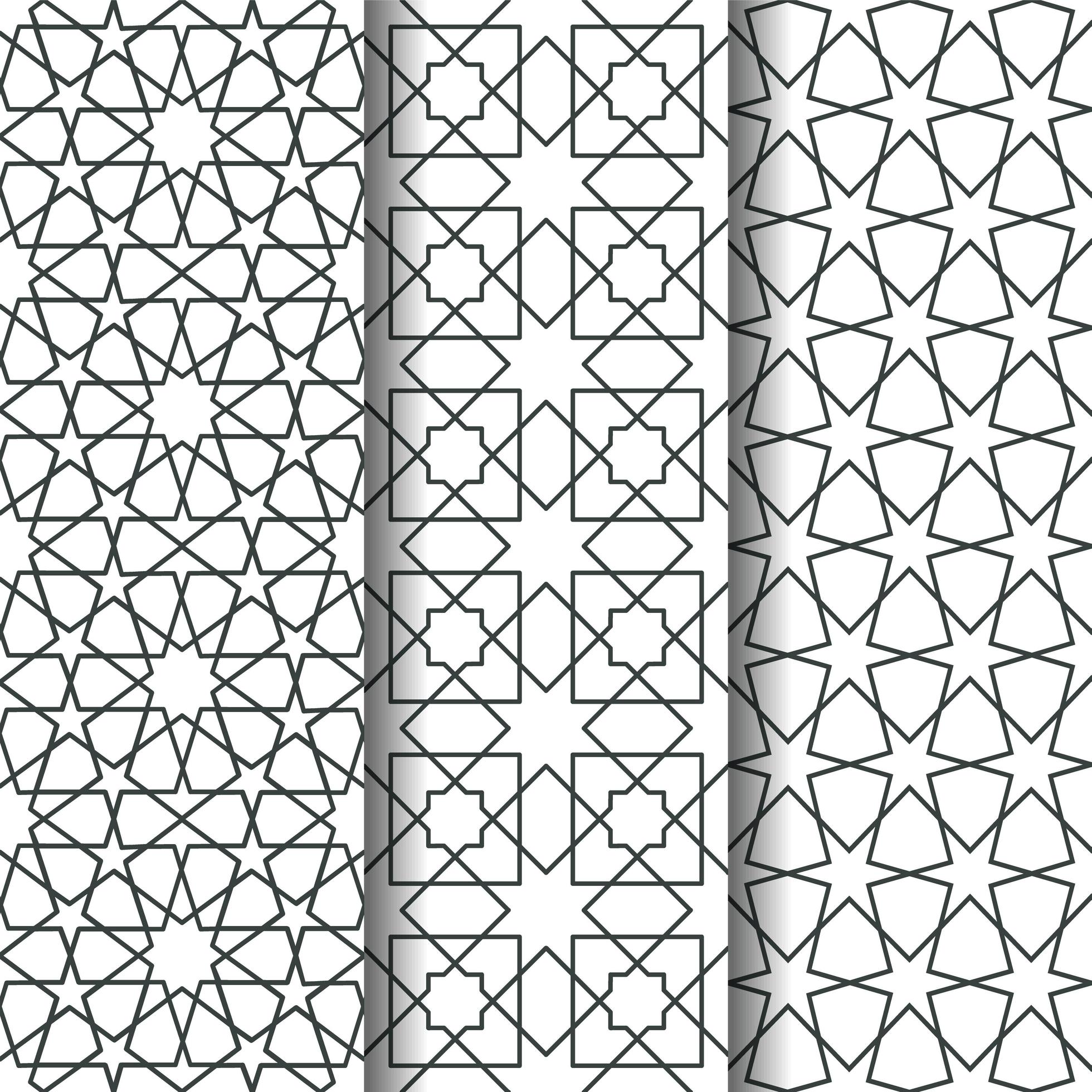
Islamic geometry pattern 1933667 Vector Art at Vecteezy

Pin by marwa sami on stones 'mandala &patterns... Pattern art

geometric arabic pattern Geometric Pattern Art, Arabic Pattern, Islamic
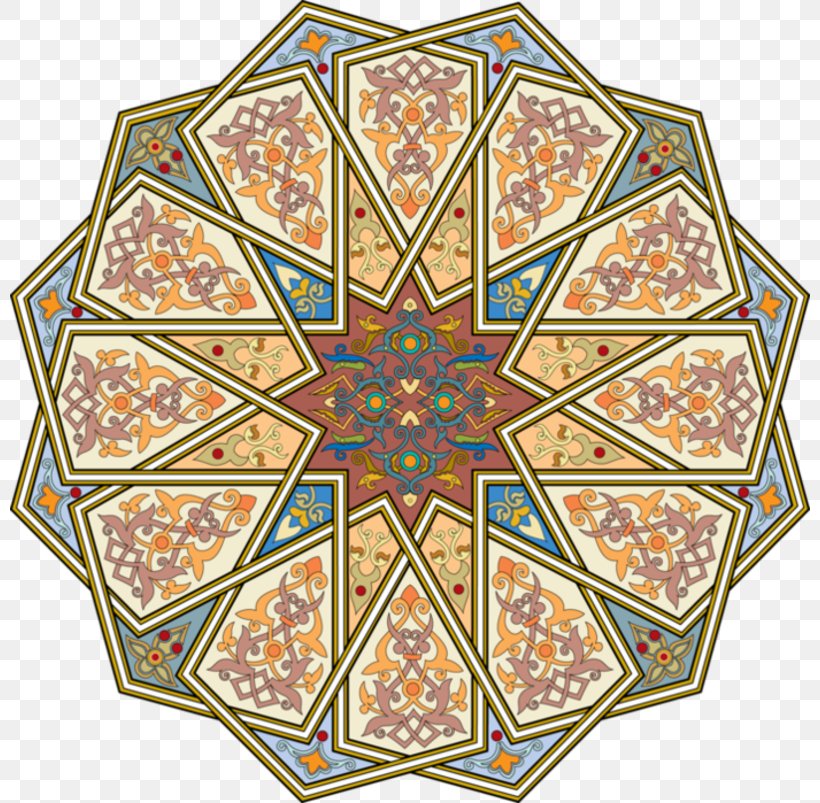
Islamic Geometric Patterns Islamic Art Arabesque, PNG, 800x803px
Web A Very Simple Introduction To The Geometry Of Islamic Patterns.
The Richly Textured Geometric Forms In The Alhambra Function As A Passageway, An Essence, For Viewers To Meditate On Life And Afterlife.
گره, Knot, Also Written Gereh) Are Decorative Islamic Geometric Patterns Used In Architecture And Handicraft Objects, Consisting Of Angled Lines That Form An Interlaced Strapwork Pattern.
Web Geometric Patterns Occur In A Variety Of Forms In Islamic Art And Architecture.
Related Post: