
Lua Pattern Matching
Lua Pattern Matching - However, as with any power, you must use it carefully. Match ( string, pattern, startindex) # returns the matched string string.gsub( string, pattern, replace) # replace. Pattern matching is not a replacement for a proper parser. Before you can master it, you need to understand what lua pattern matching is. Web a typical use is to match optional spaces between parts of a pattern. In simple terms, it is a technique used in lua programming that allows you to find and manipulate specific strings or sequences within larger pieces of data. Web pattern matching is a powerful tool for manipulating strings. Parentheses have a special meaning in a pattern, so we must escape them with a `%´.) String.find( string, pattern, startindex, nopattern) # returns indices string.gmatch( string, pattern, startindex) # creates a iterator returning all matches string. Web what is lua pattern matching? Match ( string, pattern, startindex) # returns the matched string string.gsub( string, pattern, replace) # replace. (the pattern '%s*' matches zero or more spaces. Parentheses have a special meaning in a pattern, so we must escape them with a `%´.) Web instead of using regex, the lua string library has a special set of characters used in syntax matches. Web a typical use is to match optional spaces between parts of a pattern. Pattern matching is not a replacement for a proper parser. Web a tool for inspecting, analyzing and learning lua patterns. The basic use of string.find is to search for a pattern inside a given string, called the subject string. String.find( string, pattern, startindex, nopattern) # returns indices string.gmatch( string, pattern, startindex) # creates a iterator returning all matches string. Web nevertheless, pattern matching in lua is a powerful tool and includes some features that are difficult to match with standard posix implementations. You can perform many complex operations with only a few calls to string.gsub and find. Web a typical use is to match optional spaces between parts of a pattern. The basic use of string.find is to search for a pattern inside a given string, called the subject string. Pattern matching is not a replacement for a proper parser. Match (. Pattern matching is not a replacement for a proper parser. However, as with any power, you must use it carefully. The basic use of string.find is to search for a pattern inside a given string, called the subject string. (the pattern '%s*' matches zero or more spaces. For instance, to match an empty parenthesis pair, such as or ( ),. You can perform many complex operations with only a few calls to string.gsub and find. Web what is lua pattern matching? Before you can master it, you need to understand what lua pattern matching is. Web pattern matching is a powerful tool for manipulating strings. Parentheses have a special meaning in a pattern, so we must escape them with a. Web instead of using regex, the lua string library has a special set of characters used in syntax matches. Both can be very similar, but lua pattern matching is more limited and has a different syntax. You can perform many complex operations with only a few calls to string.gsub and find. In simple terms, it is a technique used in. Parentheses have a special meaning in a pattern, so we must escape them with a `%´.) For instance, to match an empty parenthesis pair, such as or ( ), you use the pattern '%(%s*%)'. Web nevertheless, pattern matching in lua is a powerful tool and includes some features that are difficult to match with standard posix implementations. Before you can. Match ( string, pattern, startindex) # returns the matched string string.gsub( string, pattern, replace) # replace. Web instead of using regex, the lua string library has a special set of characters used in syntax matches. Web a typical use is to match optional spaces between parts of a pattern. The basic use of string.find is to search for a pattern. Web what is lua pattern matching? The basic use of string.find is to search for a pattern inside a given string, called the subject string. For instance, to match an empty parenthesis pair, such as or ( ), you use the pattern '%(%s*%)'. Web instead of using regex, the lua string library has a special set of characters used in. Web pattern matching is a powerful tool for manipulating strings. The basic use of string.find is to search for a pattern inside a given string, called the subject string. Web reference to lua string matching patterns. Web a typical use is to match optional spaces between parts of a pattern. Web nevertheless, pattern matching in lua is a powerful tool. Parentheses have a special meaning in a pattern, so we must escape them with a `%´.) In simple terms, it is a technique used in lua programming that allows you to find and manipulate specific strings or sequences within larger pieces of data. Match ( string, pattern, startindex) # returns the matched string string.gsub( string, pattern, replace) # replace. Web. (the pattern '%s*' matches zero or more spaces. The basic use of string.find is to search for a pattern inside a given string, called the subject string. Web instead of using regex, the lua string library has a special set of characters used in syntax matches. In simple terms, it is a technique used in lua programming that allows you. In simple terms, it is a technique used in lua programming that allows you to find and manipulate specific strings or sequences within larger pieces of data. Web pattern matching is a powerful tool for manipulating strings. Web nevertheless, pattern matching in lua is a powerful tool and includes some features that are difficult to match with standard posix implementations. Before you can master it, you need to understand what lua pattern matching is. Web reference to lua string matching patterns. The basic use of string.find is to search for a pattern inside a given string, called the subject string. (the pattern '%s*' matches zero or more spaces. Web a typical use is to match optional spaces between parts of a pattern. Web what is lua pattern matching? Both can be very similar, but lua pattern matching is more limited and has a different syntax. Match ( string, pattern, startindex) # returns the matched string string.gsub( string, pattern, replace) # replace. Parentheses have a special meaning in a pattern, so we must escape them with a `%´.) However, as with any power, you must use it carefully. String.find( string, pattern, startindex, nopattern) # returns indices string.gmatch( string, pattern, startindex) # creates a iterator returning all matches string. Web a tool for inspecting, analyzing and learning lua patterns.![[Solved] Lua pattern matching vs. regular expressions 9to5Answer](https://sgp1.digitaloceanspaces.com/ffh-space-01/9to5answer/uploads/post/avatar/379102/template_lua-pattern-matching-vs-regular-expressions20220607-436923-fs9v9q.jpg)
[Solved] Lua pattern matching vs. regular expressions 9to5Answer
patterns.lua

Lua Pattern Matching Tutorial Complete Guide GameDev Academy
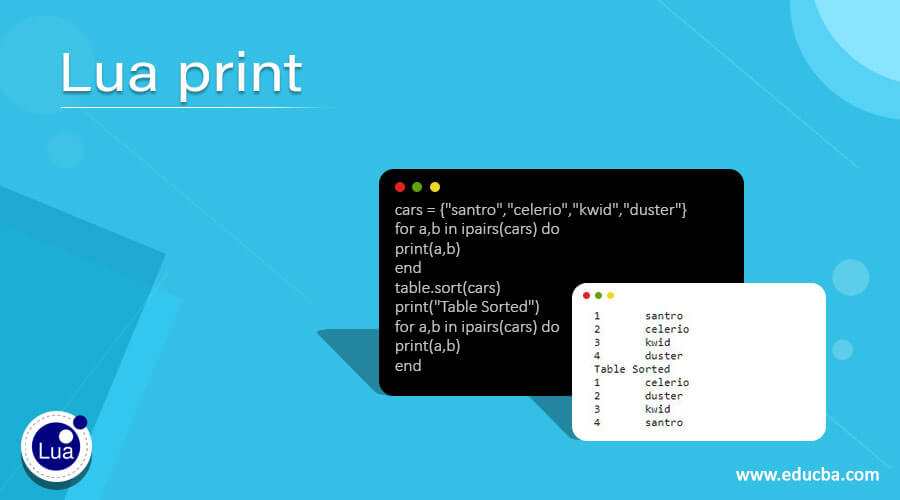
Lua print How print function works in Lua with Examples?

Windows Why is lua's string pattern matching doing this? YouTube

Learn the Lua string module YouTube

(PDF) Lua Patterns Tutorial Hải Hoàng Academia.edu
GitHub montymahato/luapatterntester A live webbased tool for

GitHub montymahato/luapatterntester A live webbased tool for

Lua Pattern Matching Free Patterns
Pattern Matching Is Not A Replacement For A Proper Parser.
For Instance, To Match An Empty Parenthesis Pair, Such As Or ( ), You Use The Pattern '%(%S*%)'.
You Can Perform Many Complex Operations With Only A Few Calls To String.gsub And Find.
Web Instead Of Using Regex, The Lua String Library Has A Special Set Of Characters Used In Syntax Matches.
Related Post: