
Patterns In Nature Art
Patterns In Nature Art - Web in fact, it’s difficult to think of all the things that have a spiral pattern. Web if you have to divide the various art patterns, you can place them into two main types of patterns in art. Sometimes these patterns can be found in nature, architecture, or the tapestry of daily life. They turn up in the natural world and in artists’ work. Web patterns in art are the rhythmic repetitions of shapes, colors, lines, or other elements within a piece of artwork. Web from camouflage and colors to intricate shapes, patterns in nature promises an enchanting exploration of the universe's artistry, revealing the breathtaking intersection of science, art and spirituality. Web pattern in art is one of the fundamental principles of design that artists can use to create visually appealing and meaningful works. Web explore the beauty of patterns found at the intersection of nature and mathematics, from the fibonacci sequence in trees to the symmetry of onions. Web patterns in nature occur at all different scales, from the spots on ladybugs to the changing phases of the moon. Snail shells, flower petals, pine cones, snakes, storms, dna, curly hair, even galaxies are spirals—and that’s not even nearly all! Web types of patterns found everywhere in nature include symmetry, branching, spirals, cracks, spots, stripes, chaos, flows, meanders, waves, dunes, bubbles, foam, arrays, crystals, and tilings. Web from camouflage and colors to intricate shapes, patterns in nature promises an enchanting exploration of the universe's artistry, revealing the breathtaking intersection of science, art and spirituality. Web pattern in art is one of the fundamental principles of design that artists can use to create visually appealing and meaningful works. Web the science behind nature’s patterns. Both of these can then also include irregular and regular patterns and geometric or organic patterns. Web patterns can be seen everywhere: Artists have long recognized these patterns and replicated them on canvas. But what makes these natural patterns form? They turn up in the natural world and in artists’ work. * * * * * next generation science standards and common core state standards. Web patterns appear everywhere in nature, from the petals of a flower to the crystalline structures of a snowflake. Web natural forms, in the artistic context, transcend their physical existence to become conduits of storytelling and aesthetic exploration. They serve as visual structures that add depth and coherence to artistic compositions, guiding the viewer’s eye and evoking emotions or conveying. Web patterns can be seen everywhere: But what makes these natural patterns form? Natural patterns include symmetries , trees , spirals , meanders , waves , foams , tessellations , cracks and stripes. Web fractals are patterns that repeat at increasingly fine magnifications. Research suggests they contribute to making something. Web if you have to divide the various art patterns, you can place them into two main types of patterns in art. Sometimes these patterns can be found in nature, architecture, or the tapestry of daily life. Web collaborating with psychologists and neuroscientists, we measured people’s responses to fractals found in nature (using photos of natural scenes), art (pollock’s paintings). Research suggests they contribute to making something. Sometimes these patterns can be found in nature, architecture, or the tapestry of daily life. Web if you have to divide the various art patterns, you can place them into two main types of patterns in art. Web patterns in nature occur at all different scales, from the spots on ladybugs to the. The motifs were inspired by byzantine, greek and egyptian art. Have you ever observed the similarity between the shape of your lungs and the structure of a tree? They highlight the order and chaos of nature, and form the building blocks of life around us. Web patterns in art are the rhythmic repetitions of shapes, colors, lines, or other elements. Web in this article, we explored patterns as one of the principles of art. U of a's delaney schnell among several wildcats heading to paris olympics. Research suggests they contribute to making something. For now, let’s examine the four main ones within this article. Web patterns can be seen everywhere: They turn up in the natural world and in artists’ work. Snail shells, flower petals, pine cones, snakes, storms, dna, curly hair, even galaxies are spirals—and that’s not even nearly all! They highlight the order and chaos of nature, and form the building blocks of life around us. Web in this article, we explored patterns as one of the principles. Web nature has incredible patterns. In animals, vegetables and minerals. When art embraces these repetitions, it invites the viewer into an inherently rhythmic experience. They encapsulate the essence of organic shapes, patterns, and structures found in the world, acting as visual representations of the interconnectedness of life. Web natural forms, in the artistic context, transcend their physical existence to become. Web patterns in nature occur at all different scales, from the spots on ladybugs to the changing phases of the moon. Web from bold landscapes to intimate wildlife portraits, explore visions of our world and ask yourself if you see the pattern of your own life in nature. Web collaborating with psychologists and neuroscientists, we measured people’s responses to fractals. Web in fact, it’s difficult to think of all the things that have a spiral pattern. Web types of patterns found everywhere in nature include symmetry, branching, spirals, cracks, spots, stripes, chaos, flows, meanders, waves, dunes, bubbles, foam, arrays, crystals, and tilings. Web patterns in nature occur at all different scales, from the spots on ladybugs to the changing phases. These patterns are called fractals. Nature is full of patterns. They serve as visual structures that add depth and coherence to artistic compositions, guiding the viewer’s eye and evoking emotions or conveying messages. These patterns recur in different contexts and can sometimes be modelled mathematically. Web types of patterns found everywhere in nature include symmetry, branching, spirals, cracks, spots, stripes, chaos, flows, meanders, waves, dunes, bubbles, foam, arrays, crystals, and tilings. They encapsulate the essence of organic shapes, patterns, and structures found in the world, acting as visual representations of the interconnectedness of life. Web essentially, a pattern is the repetition of a unit, like a shape, color, or form. The motifs were inspired by byzantine, greek and egyptian art. • go out and look for patterns in nature. Web patterns can be seen everywhere: Web collaborating with psychologists and neuroscientists, we measured people’s responses to fractals found in nature (using photos of natural scenes), art (pollock’s paintings) and mathematics. Among them are tiling patterns, like what you see on a giraffe's coat. Snail shells, flower petals, pine cones, snakes, storms, dna, curly hair, even galaxies are spirals—and that’s not even nearly all! Web in this article, we explored patterns as one of the principles of art. Web from camouflage and colors to intricate shapes, patterns in nature promises an enchanting exploration of the universe's artistry, revealing the breathtaking intersection of science, art and spirituality. For now, let’s examine the four main ones within this article.
Artist uses materials found in nature to create elaborate cairns and

35 Breathtaking Examples of Patterns in Nature

Natural Patterns by Roxanne Marshal Patterns in nature, Fractals in

CLINTON MARSTALL CONTEMPORARY ART Patterns in Nature
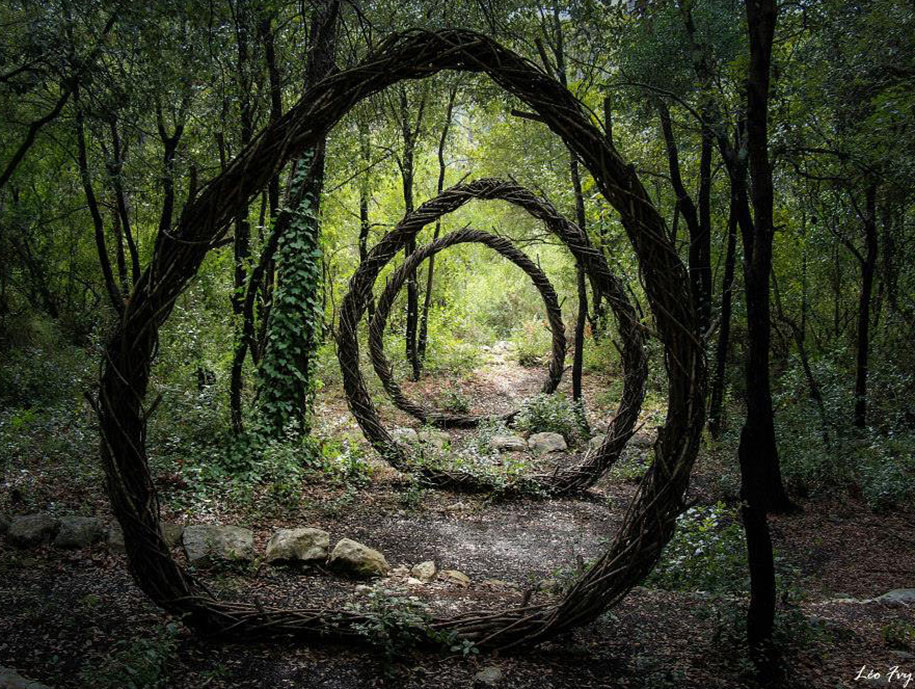
Artist Spends A Year In The Woods Making Magical Sculptures Out Of

Andy Warhol 5 Patterns in Nature. Octopus Painting, Artwork Painting
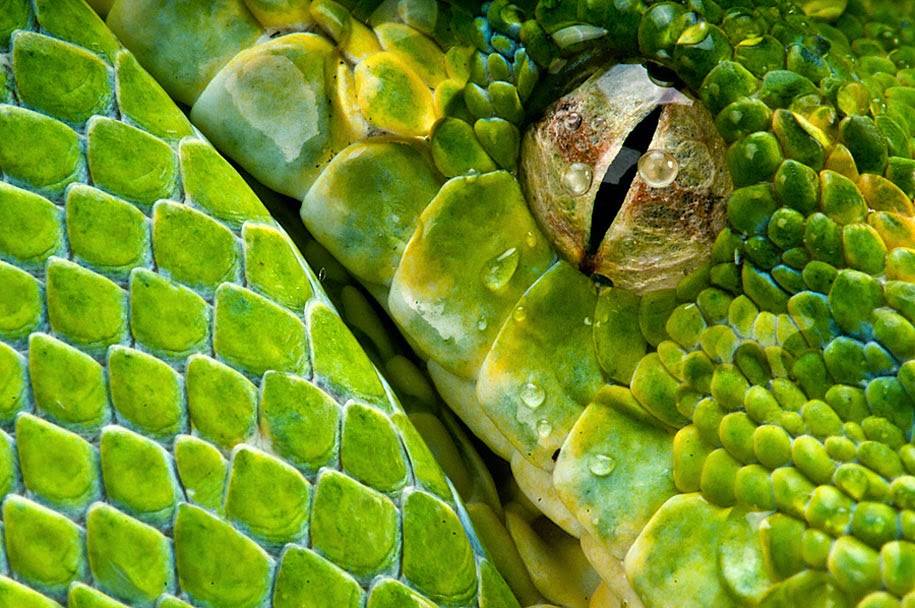
35 Breathtaking Examples of Patterns in Nature
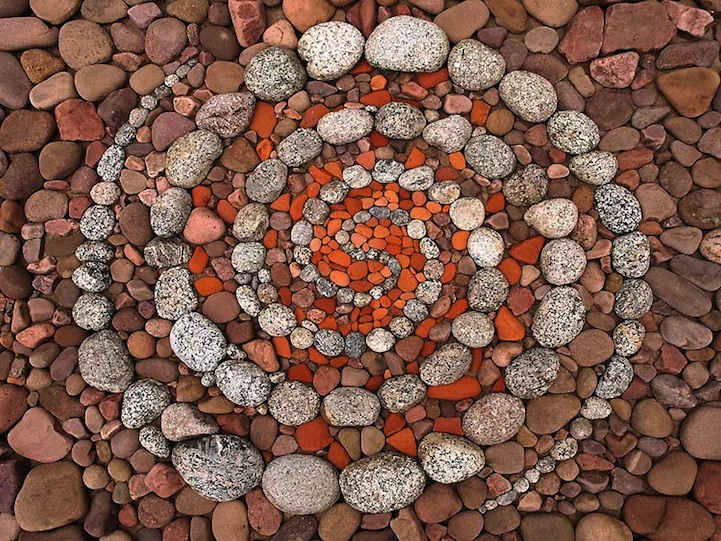
Stunning Circular Land Art Made of Rocks and Leaves
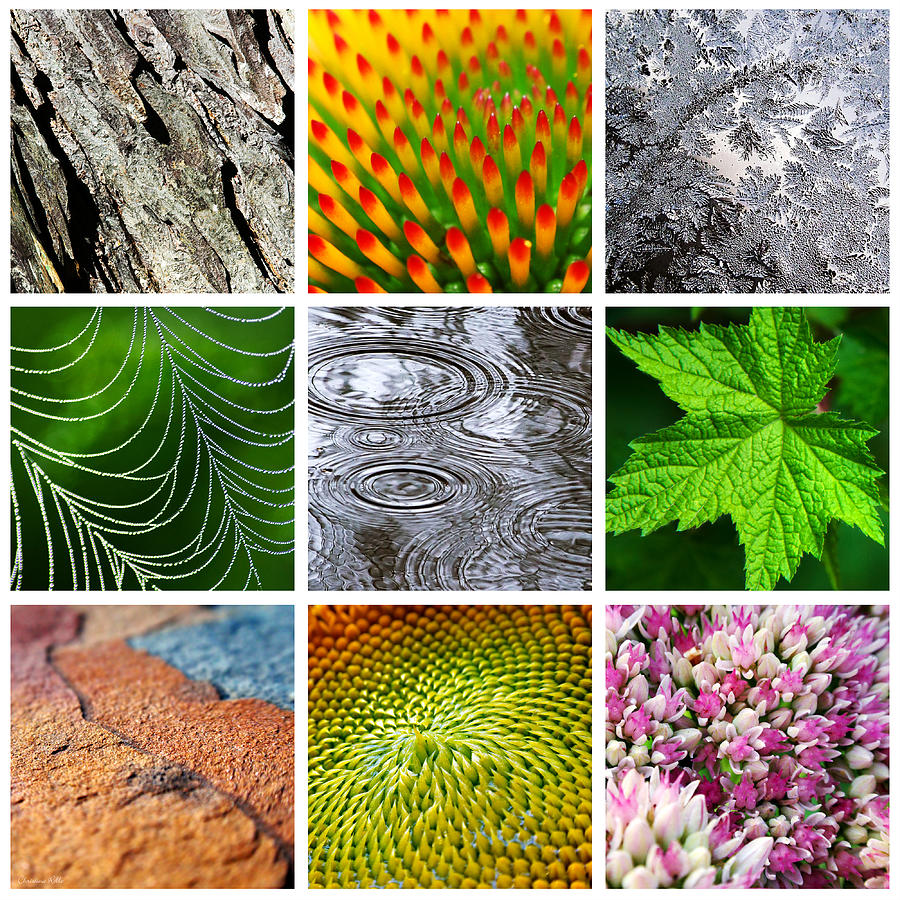
Patterns In Nature Photograph by Christina Rollo Pixels

Patterns In Nature Fotoviva Art Prints
Or Maybe The Pathways Of Lightning And The Way A River Breaks Through The Earth?
Web Patterns In Nature Are Visible Regularities Of Form Found In The Natural World.
Artists Have Long Recognized These Patterns And Replicated Them On Canvas.
Everywhere We Turn In The Natural World, These Intricate Patterns Emerge, Painting A Complex Tapestry That Spans From The Expansive Spirals Of Distant Galaxies To The Delicate Symmetry Found In A Leaf’s Structure.
Related Post: