
Traffic Pattern Airport
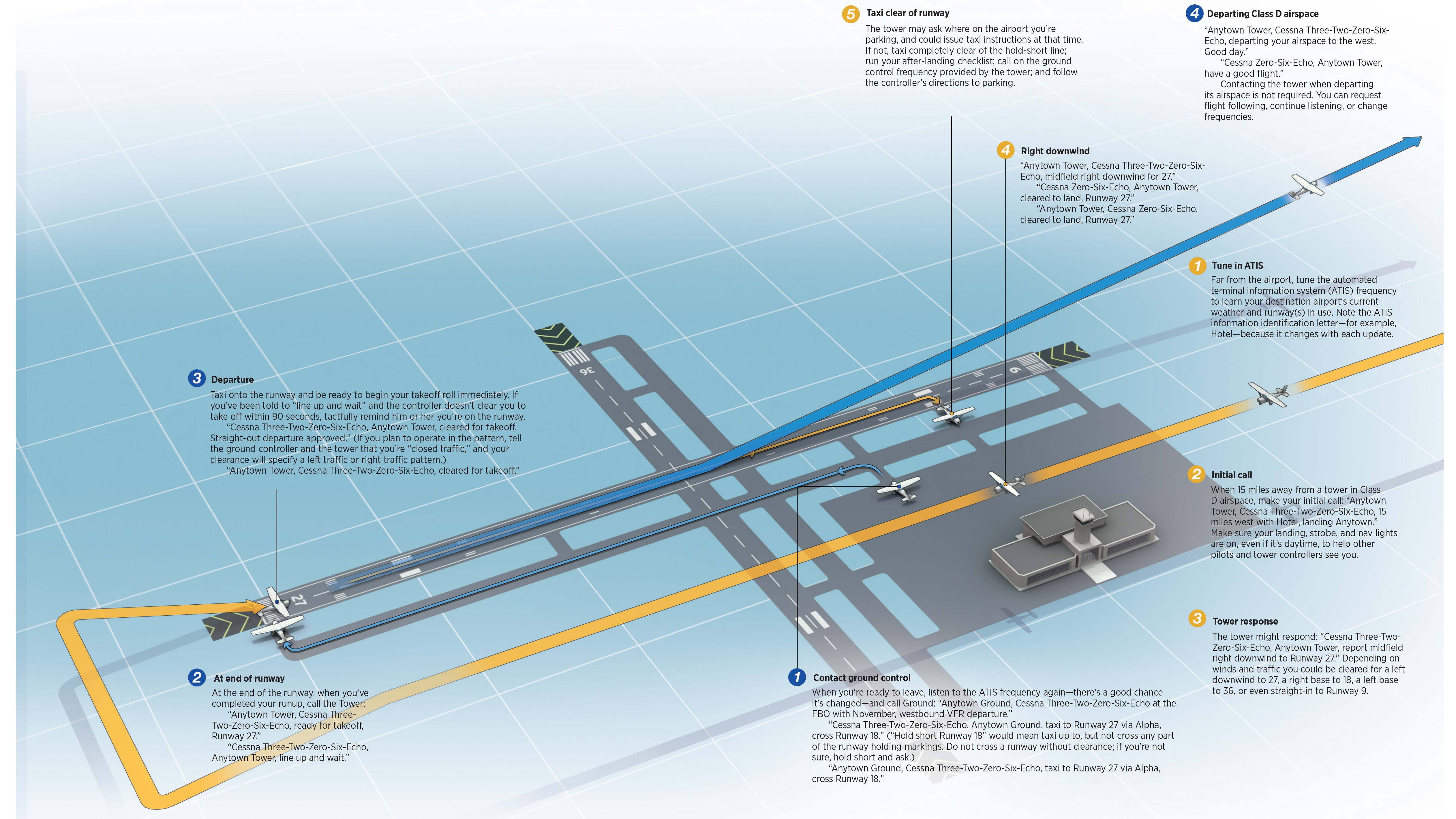
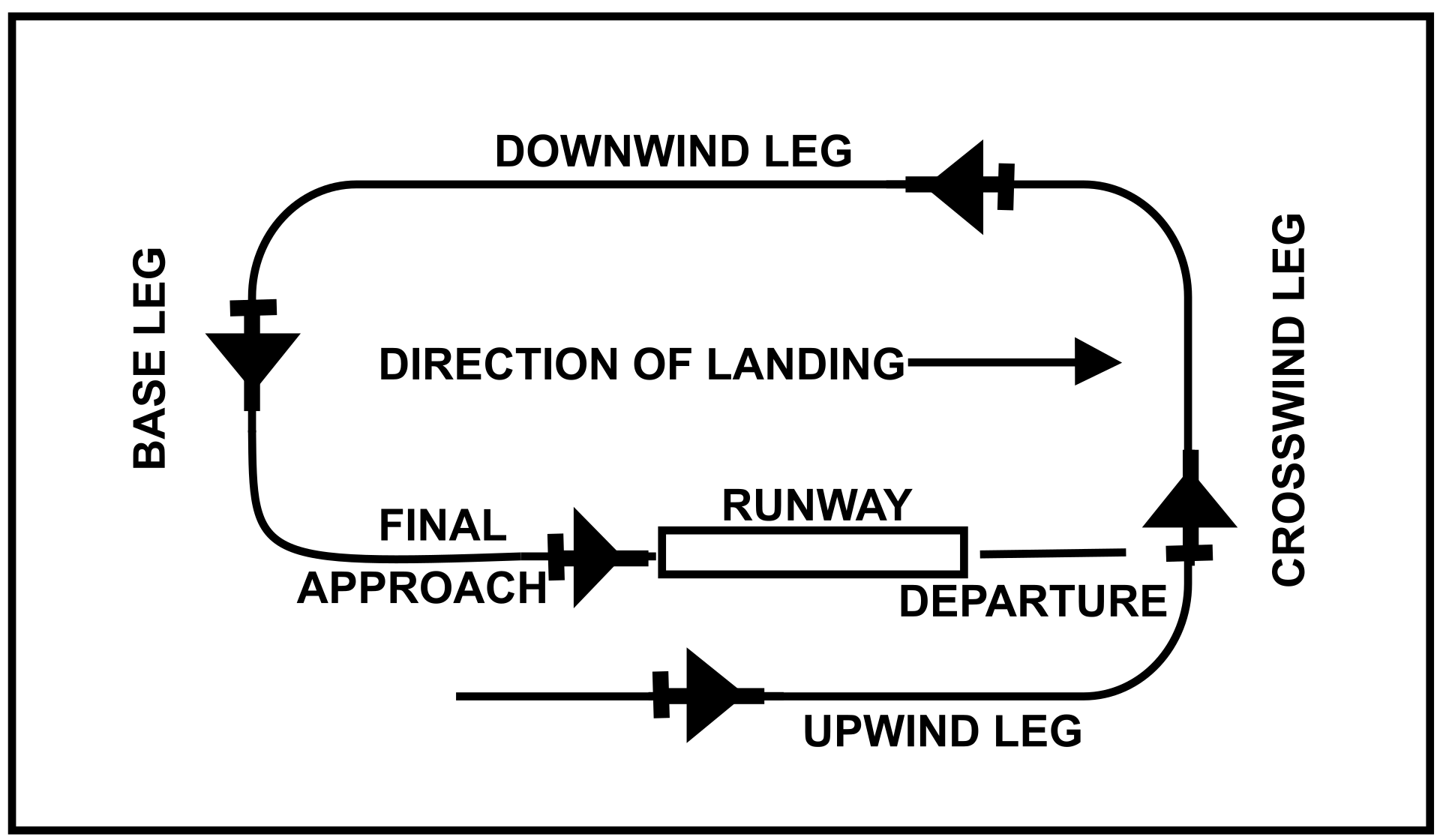
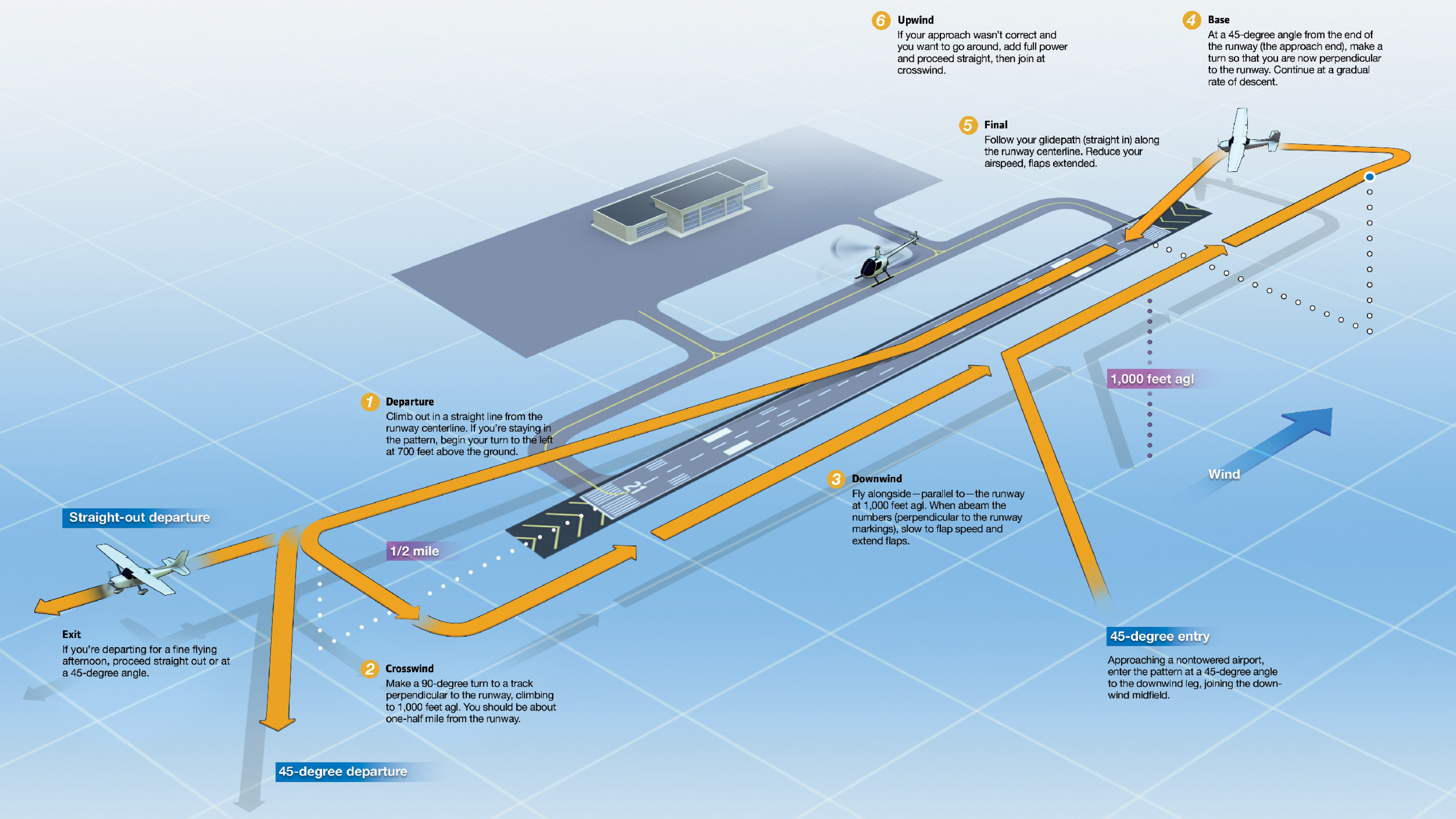
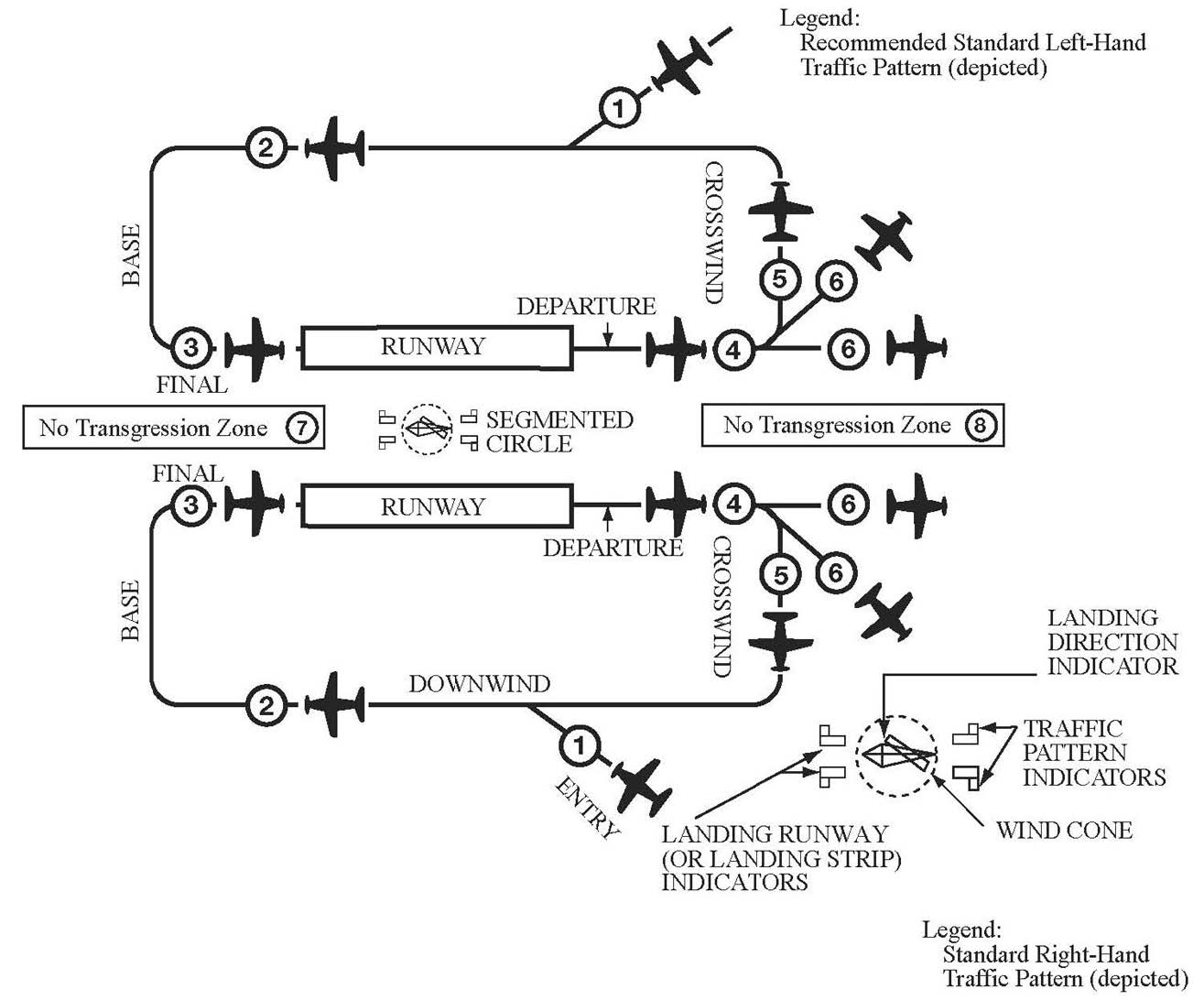
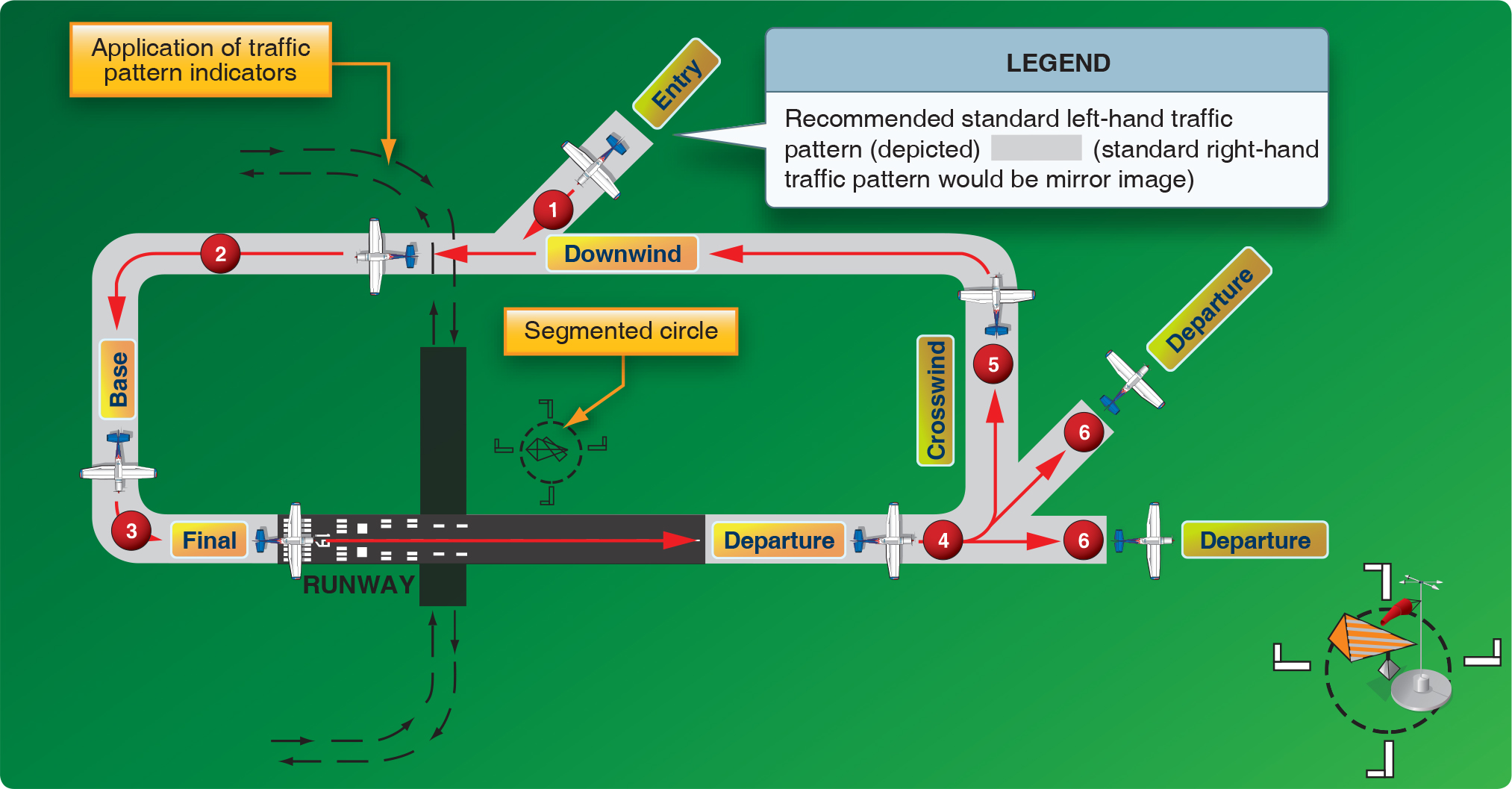
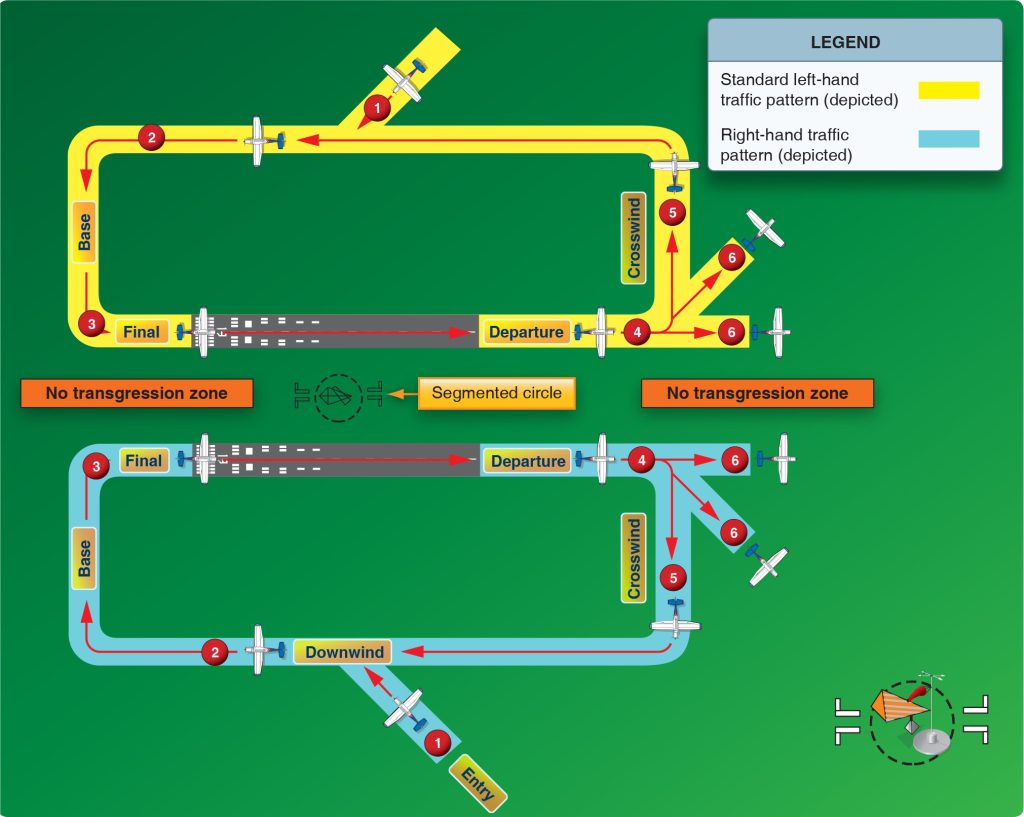
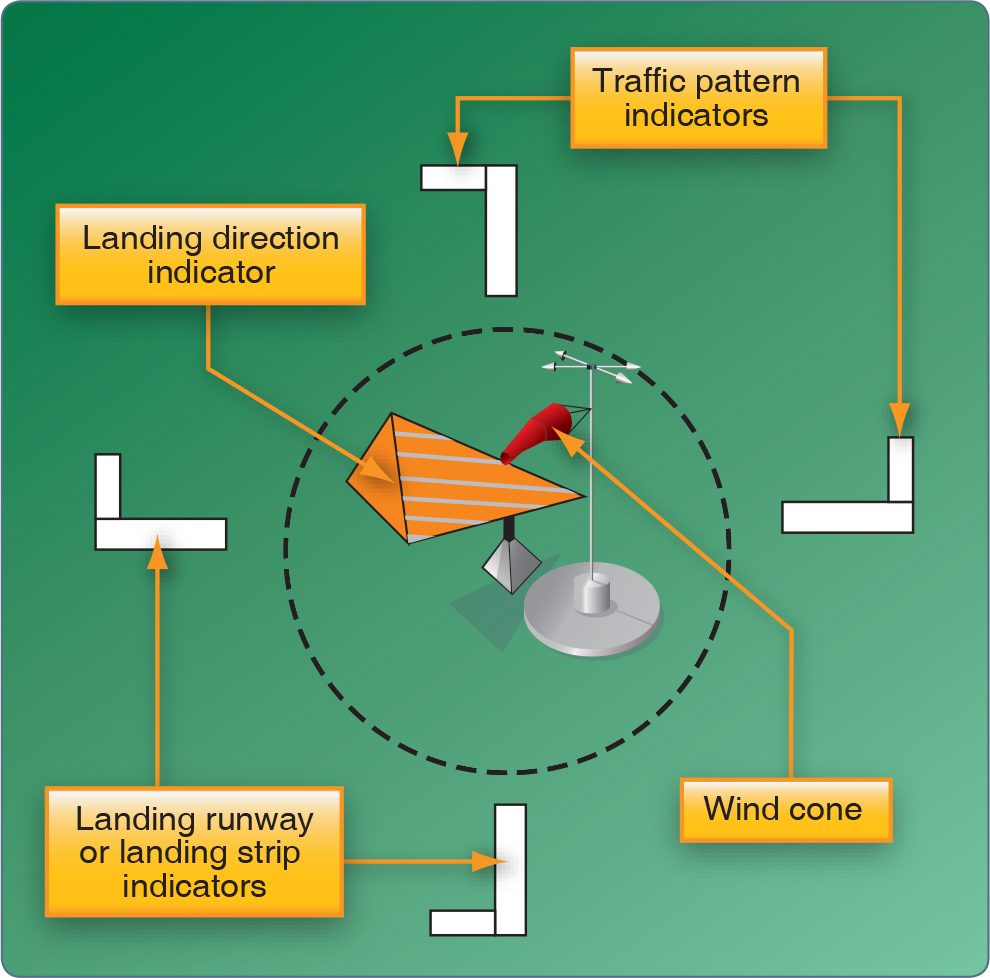
Traffic Pattern Airport - Web the recommended entry position to an airport traffic pattern is to enter 45° at the midpoint of the downwind leg at traffic pattern altitude. Web fly to a position that gives you a good look at the airport and the windsock. Web the airport traffic pattern is a means of safely directing aircraft in and out of an aerodrome. Web the faa told air traffic controllers to tell airborne pilots that airlines are currently experiencing communication issues. Airline business models or traffic patterns may shift, or changes in security or customs and immigration requirements can require a reconfiguration of terminal space. Meanwhile, flights that were in the air already were allowed to continue. Web traffic pattern procedures develop the ability to stay safely and efficiently arrive at an uncontrolled airport, or after arrival, utilize the traffic pattern. Web traffic pattern info. Web when operating at an airport, traffic pattern altitudes should be maintained unless otherwise required by the applicable distance from cloud criteria according to title 14 of the code of federal regulations (14 cfr) part 91, section 91.155. Airport ownership and management from official faa records. Web airport traffic patterns ensure that air traffic moves into and out of an airport safely. All procedures below are presented as pdf files. It’s the path you will fly when leaving and returning to the airport, specifically the runway. Web when operating at an airport, traffic pattern altitudes should be maintained unless otherwise required by the applicable distance from cloud criteria according to title 14 of the code of federal regulations (14 cfr) part 91, section 91.155. Airport ownership and management from official faa records. Web an airport traffic pattern encompasses the designated direction and altitude that needs to be maintained by pilots, as well as the procedures for entering and exiting the pattern. Web the effort began june 6 — outside of regular patrol hours — focused on areas along jeff fuqua boulevard, state road 528 and the entrance to terminal c where parking is prohibited, goaa said in. But as the sun rises and time reaches utc 12:00. Web a traffic pattern is a predetermined, regulated flight path that aircraft must follow when taking off or landing at an airport. Upwind, crosswind, downwind, base, and final approach. Web this chart shows the number of passengers who flew to or from a north carolina airport from 2019 to 2023. Web the recommended entry position to an airport traffic pattern is to enter 45° at the midpoint of the downwind leg at traffic pattern altitude. Designed to streamline air traffic flow and enhance safety, this pattern is generally rectangular,. Web a further consideration for airport planning and design are changes in business and regulatory environments. Airline business models or traffic patterns may shift, or changes in security or customs and immigration requirements can require a reconfiguration of terminal space. It is important to think through likely future scenarios. Web it is important to fly standard traffic pattern procedures to. Web traffic patterns provide procedures for takeoffs, departures, arrivals, and landings. View all airports in florida. At an airport, the pattern (or circuit) is a standard path for coordinating air traffic. Airport ownership and management from official faa records. To safely stay out of the pattern, fly over the airport at an altitude that is at least 1,000 feet. Web traffic patterns provide procedures for takeoffs, departures, arrivals, and landings. The exact nature of each airport traffic pattern is dependent on the runway in use, wind conditions (which determine the runway in use), obstructions, and other factors. Web the effort began june 6 — outside of regular patrol hours — focused on areas along jeff fuqua boulevard, state road. Web when operating at an airport, traffic pattern altitudes should be maintained unless otherwise required by the applicable distance from cloud criteria according to title 14 of the code of federal regulations (14 cfr) part 91, section 91.155. Upwind, crosswind, downwind, base, and final approach. At an airport, the pattern (or circuit) is a standard path for coordinating air traffic.. While the airport traffic pattern is standardized, every traffic pattern is established based on conditions specific to each airport,. Airline business models or traffic patterns may shift, or changes in security or customs and immigration requirements can require a reconfiguration of terminal space. Web an airport traffic pattern encompasses the designated direction and altitude that needs to be maintained by. Web complete aeronautical information about kissimmee gateway airport (orlando, fl, usa), including location, runways, taxiways, navaids, radio frequencies, fbo information, fuel prices, sunrise and sunset times, aerial photo, airport diagram. Web the airport traffic pattern is a means of safely directing aircraft in and out of an aerodrome. The direction and placement of the pattern, the altitude at which it. Web the faa told air traffic controllers to tell airborne pilots that airlines are currently experiencing communication issues. Web airport traffic patterns ensure that air traffic moves into and out of an airport safely. Web it is important to fly standard traffic pattern procedures to ensure the safe and orderly flow of aircraft to and from an airport. Web the. Web the recommended entry position to an airport traffic pattern is to enter 45° at the midpoint of the downwind leg at traffic pattern altitude. Airport ownership and management from official faa records. Upwind, crosswind, downwind, base, and final approach. Web the map appears to start around utc 00:00 on friday — or 8 p.m. Web traffic pattern procedures develop. After air force one landed, a group of local officials. Before we get into the details, let's start by taking a quick look at the different legs of a traffic pattern: Upwind, crosswind, downwind, base, and final approach. But as the sun rises and time reaches utc 12:00. Business insider verified the map using flightradar24's playback feature. Large and turbine powered airplanes should enter the traffic pattern at an altitude of 1,500 feet agl or 500 feet above the established pattern altitude. Know where to look for details on the pattern. The direction and placement of the pattern, the altitude at which it is to be flown, and the procedures for entering and exiting the pattern may depend on local conditions. Web the exact nature of each airport traffic pattern is dependent on the runway in use, wind conditions, obstructions, and other factors. At an airport, the pattern (or circuit) is a standard path for coordinating air traffic. Web traffic pattern info. Web so, what is “the pattern”? To safely stay out of the pattern, fly over the airport at an altitude that is at least 1,000 feet. View all airports in florida. Web when operating at an airport, traffic pattern altitudes should be maintained unless otherwise required by the applicable distance from cloud criteria according to title 14 of the code of federal regulations (14 cfr) part 91, section 91.155. Web a further consideration for airport planning and design are changes in business and regulatory environments. Web airport traffic patterns ensure that air traffic moves into and out of an airport safely. Business insider verified the map using flightradar24's playback feature. The traffic pattern is comprised of several components which standardized flow of aircraft, at a. Right pattern information is listed for an airport in a vfr sectional, with the abbreviation “rp” followed by the runway number. It’s the path you will fly when leaving and returning to the airport, specifically the runway./Traffic_patterns_depicted_in_FAA-H-8083-25-56a058ce3df78cafdaa1229b.jpg)
How to Fly a General Aviation Traffic Pattern

The Airport Traffic Pattern YouTube
Technique Towered airport traffic pattern operations AOPA
Everything You Should Know About the Airport Traffic Pattern
Technique The traffic pattern AOPA
Airport Operations
Procedures and Airport Operations Traffic Patterns Learn to Fly Blog

How Do You Enter And Exit The Traffic Pattern At An Uncontrolled Airport?
Procedures and Airport Operations Traffic Patterns Learn to Fly Blog
Procedures and Airport Operations Traffic Patterns Learn to Fly Blog
Web An Airport Traffic Pattern Encompasses The Designated Direction And Altitude That Needs To Be Maintained By Pilots, As Well As The Procedures For Entering And Exiting The Pattern.
Upwind, Crosswind, Downwind, Base, And Final Approach.
Web The Faa Told Air Traffic Controllers To Tell Airborne Pilots That Airlines Are Currently Experiencing Communication Issues.
Web So Here We Have Got To The One Of The Main Phases Of A Basic Flying Traffic Pattern Which Usually Consists Of The Departure Leg Or Upwind Leg, Crosswind Leg, Downwind Leg, The Main Leg, And Final Approach.
Related Post: